Nina Compton: Never Asked For Permission to Belong

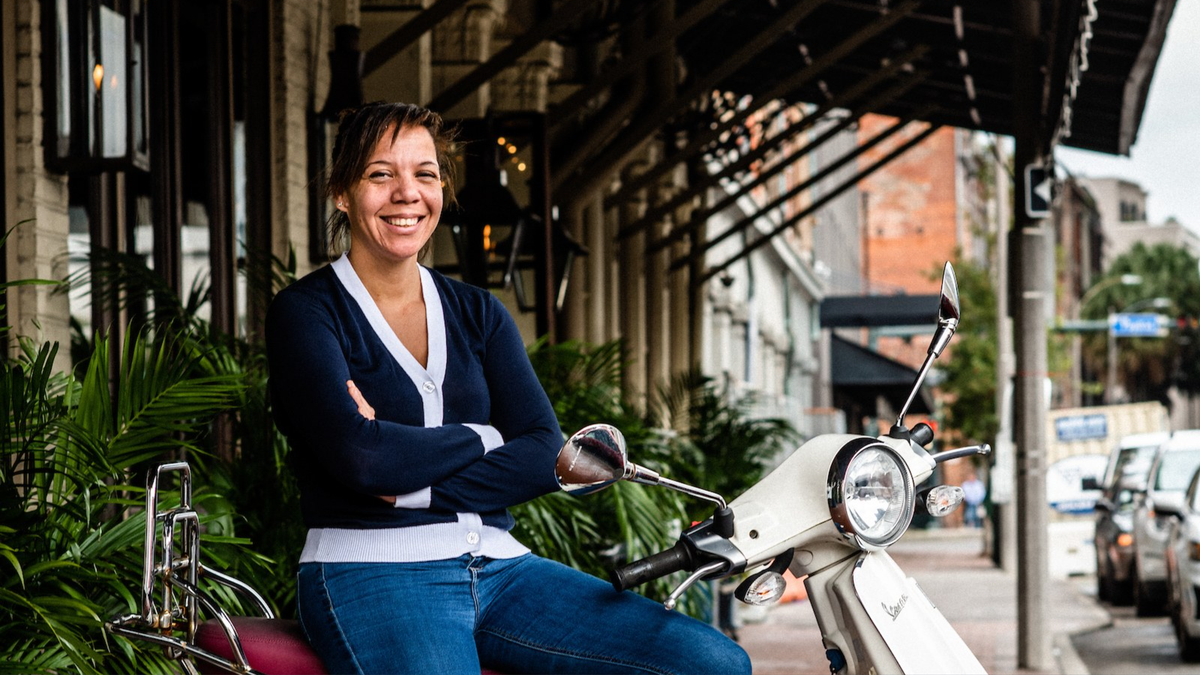
I came to this conversation expecting a story of doubt. Most high achievers I work with carry one: the moment they knew they were talented but didn’t believe they belonged in the room.
Nina didn’t give me that story. What she gave me was more useful. A woman who took her island, her grandmother’s kitchen and her father’s farm into some of the most demanding kitchens in America, and never once thought she had to leave them at the door.
Some people spend their careers learning to fit in. Nina Compton built hers by never leaving Saint Lucia behind.
A James Beard Award winner and the chef behind New Orleans’s Compère Lapin, she brings the flavours of her Caribbean childhood into conversation with the traditions of her adopted city, and has never once felt she had to apologise for it.
For Cultured Insider Issue No. 3, Nina talks about the father she knew beyond public life, the realities of running a restaurant, and why learning from mom can mean as much as any accolade.
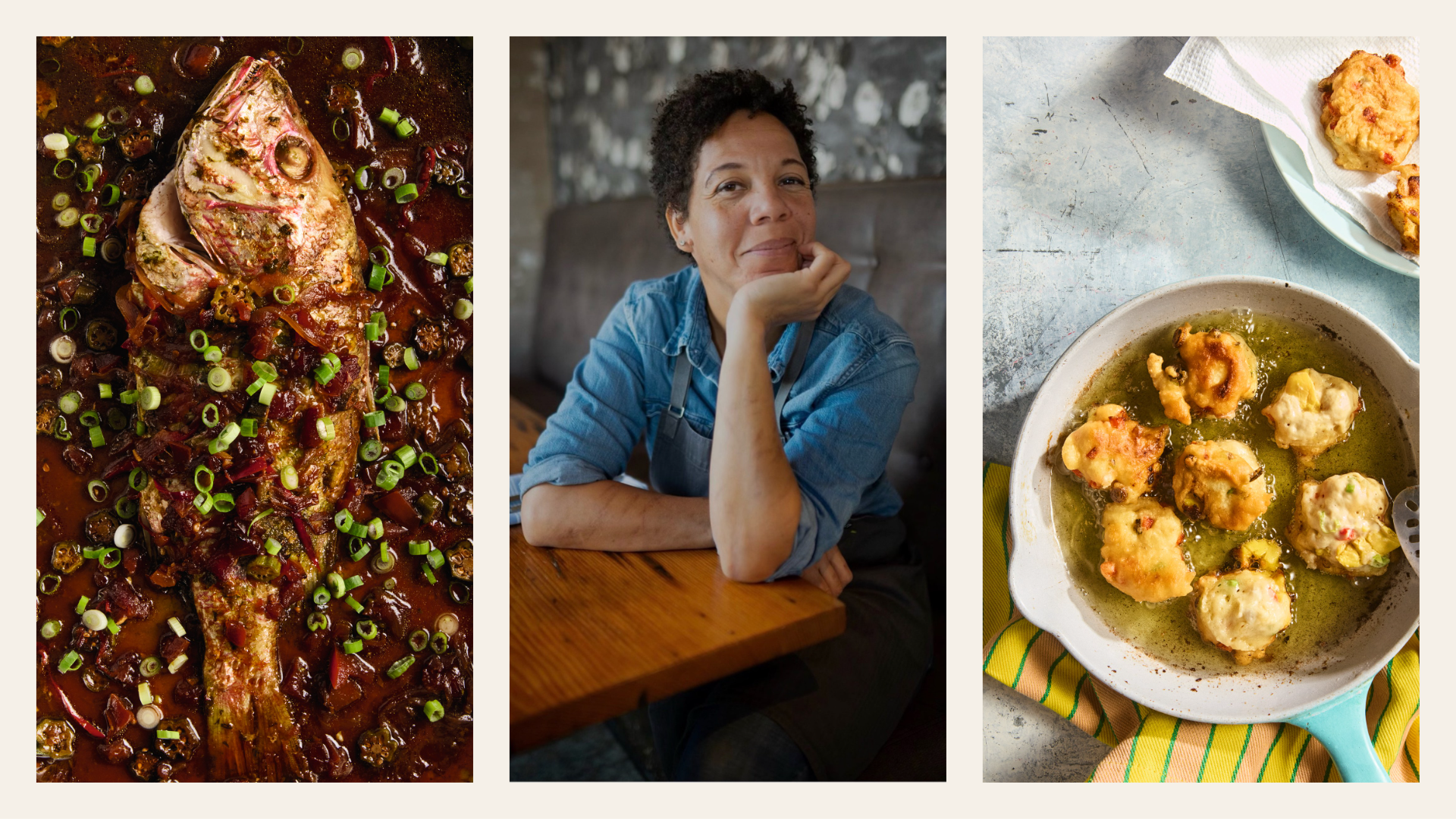
Long before Top Chef, the James Beard Award, and New Orleans, a girl was growing up in Moulin à Vent, Saint Lucia, one of five children of Janice and Sir John Compton. You have shared that you worked as your grandmother's “sous chef” cutting onions and peeling garlic for family lunches. Is there a dish from your grandmother's kitchen that still lingers in your memory?
Nina: Flying Fish with green seasoning!
Your father farmed in Mahaut on weekends, by his own telling, as an escape from the weight of building a nation. What did you understand about him in those river afternoons, catching crayfish by hand, that you never saw in the man who ran the country?
Nina: I understood he was my daddy! He was the one who could reach the fruit that I couldn’t, that could make the best juices, and catch the fastest crayfish. Anything else was not important to me at the time.
And here's what I am really curious about: who was young Nina? What did you dream about, doubt, or believe about yourself back then that the woman you are today would still recognize immediately?
Nina: My younger sister and I used to film make-believe commercials, and while rewatching the other day, I noticed myself maybe being a little too attentive to details that shouldn’t have tormented a child, but that focus has served me well as I aged.
That's an incredible story. You've said food started pulling you away from agriculture. You also describe feeling “stuck,” first at Sandals in Saint Lucia, then again at the Jamaica property, before you left for the Culinary Institute of America. What did “stuck” actually feel like for you?
Nina: Stuck as I had worked all of the culinary positions and knew that there was more to learn. A chef of mine at the time pointed me towards culinary school. As I decided on CIA I hoped, and soon discovered, that it was the educational stepping stone that I was searching for.
By the time most people had heard of you, you'd already worked your way from sous chef to executive chef at Casa Casuarina, trained under Daniel Boulud in New York, learned from Norman Van Aken in Miami, and cooked at Scarpetta under Scott Conant. On paper, that's not a person still finding her footing. So what was actually missing? Was there a specific moment in one of those kitchens when you knew you were talented but still didn't believe you belonged in the room?
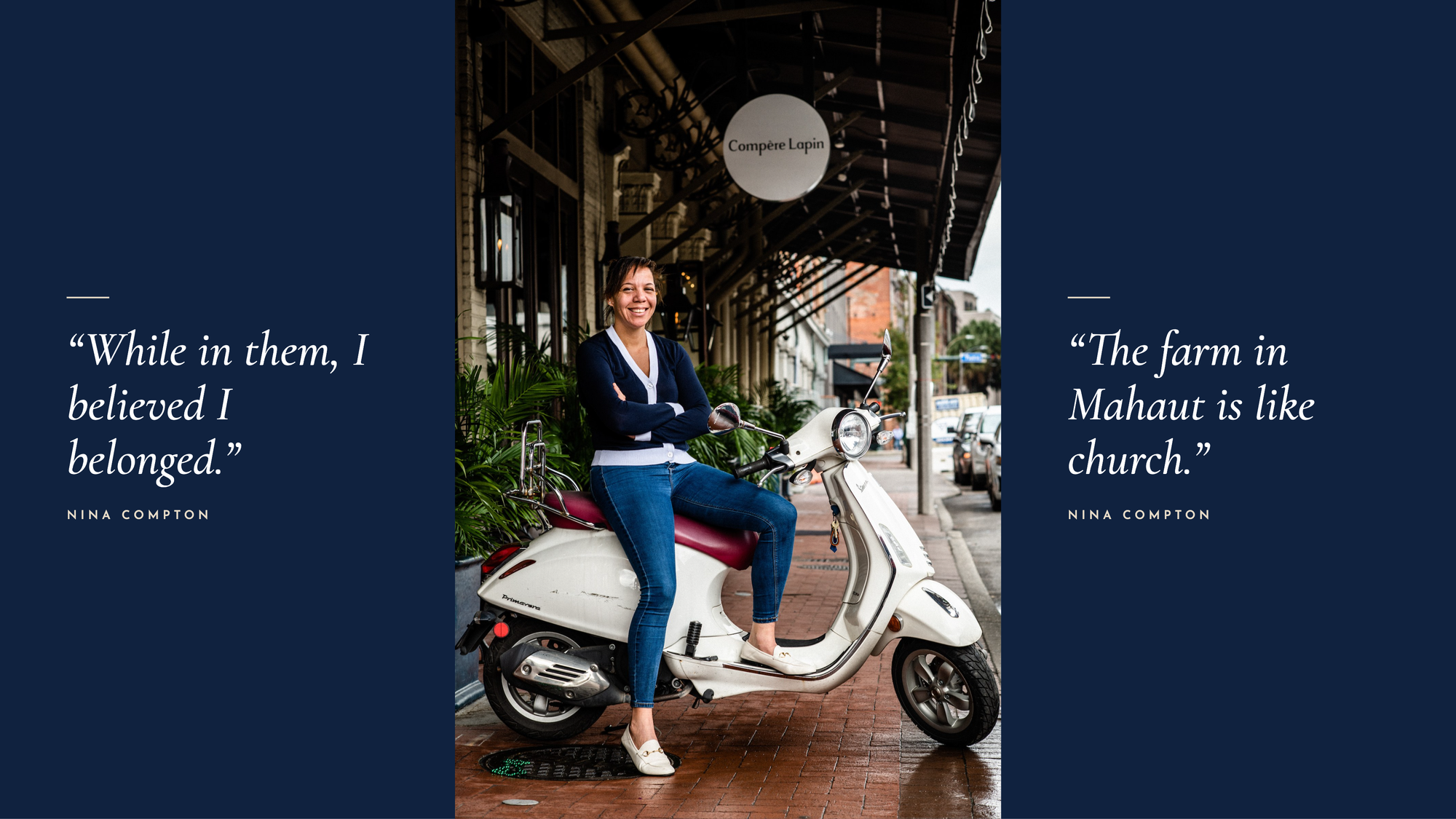
Nina: I don’t think anything was missing. I was following a well-worn path of on-the-job training, but I was fortunate to land in the kitchens I did, and while I was there, I believed I belonged.
You've said Top Chef didn't just raise your profile; it gave you permission to finally cook like yourself. What were you cooking before that season that wasn't fully Nina, and looking back now, what do you think you were actually afraid people would think if you cooked the way you really wanted to?
Nina: I was CDC (Chef de cuisine) at Scarpetta at the time, and I enjoyed learning from and working with Scott Conant. I fell in love with Italian cooking and its soulfulness. But during Top Chef, there were no rules and no recipe books.
You showed up; they gave you ingredients and vague directions. That’s when your past life experiences, whether it's techniques learned and repeated thousands of times as a cook or flavors you’ve loved throughout your life, come together in hopefully yummy form.
What does it do to you to sit on the other side of that table now, judging the same kind of fear you once had?
Nina: I understand both sides of the judges' table, but sometimes people make a mistake. I think I consciously frame my critique as gently as I can, while still fulfilling my role as a judge.
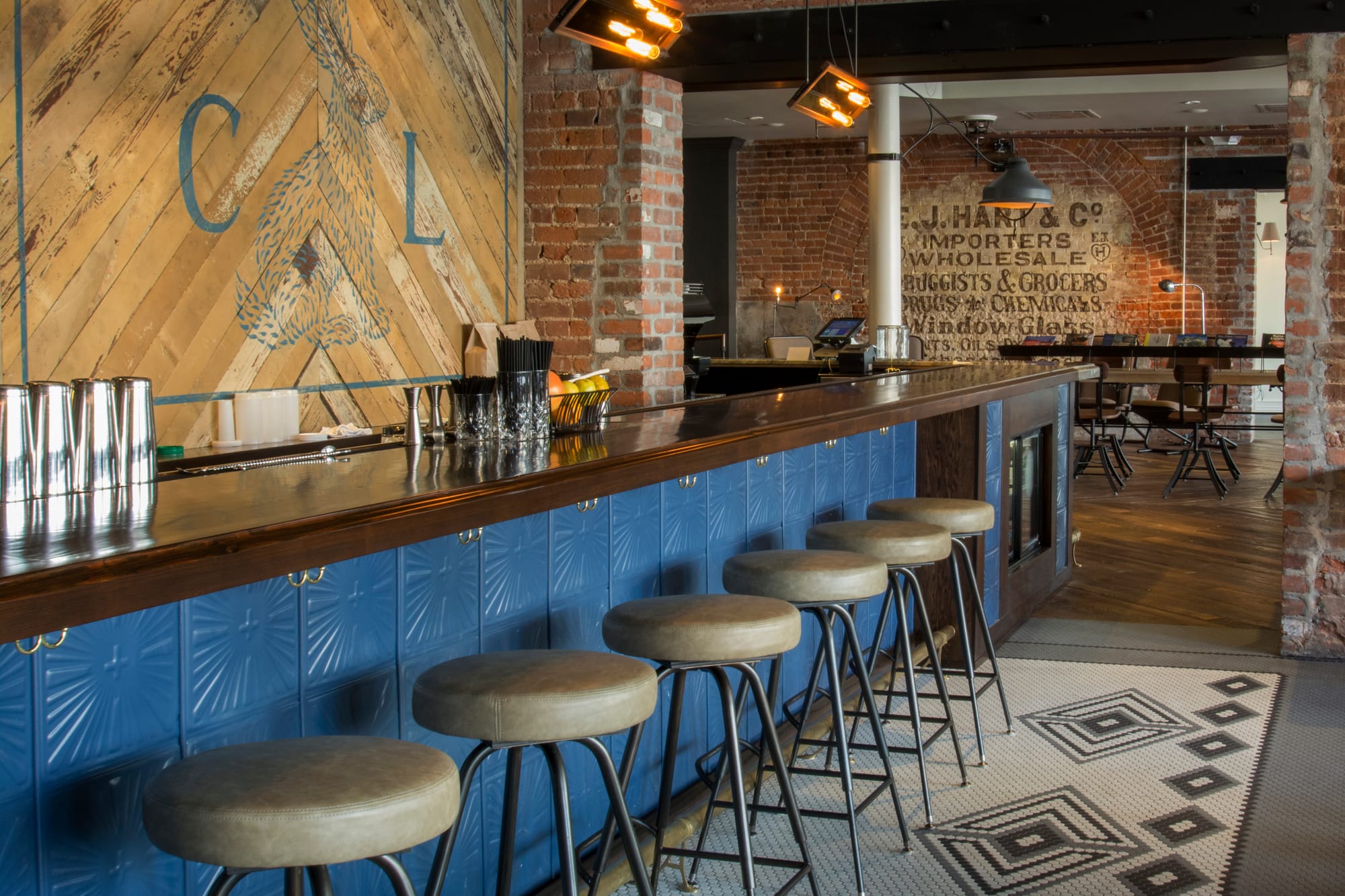
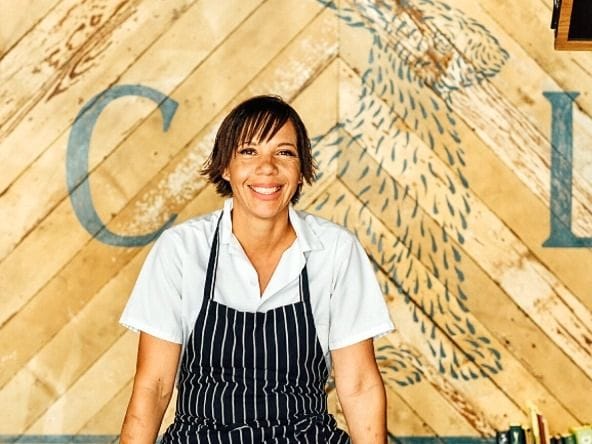
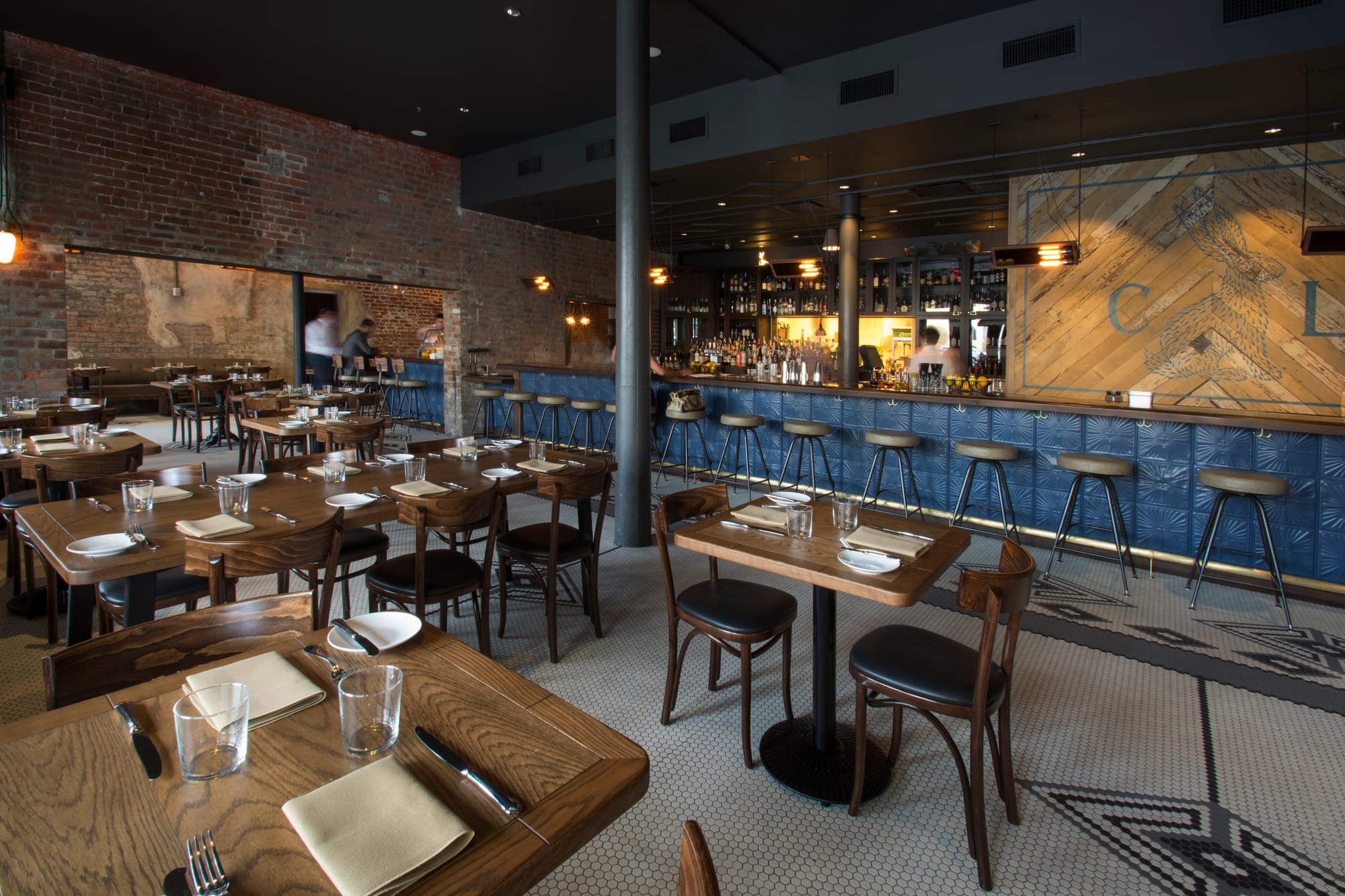
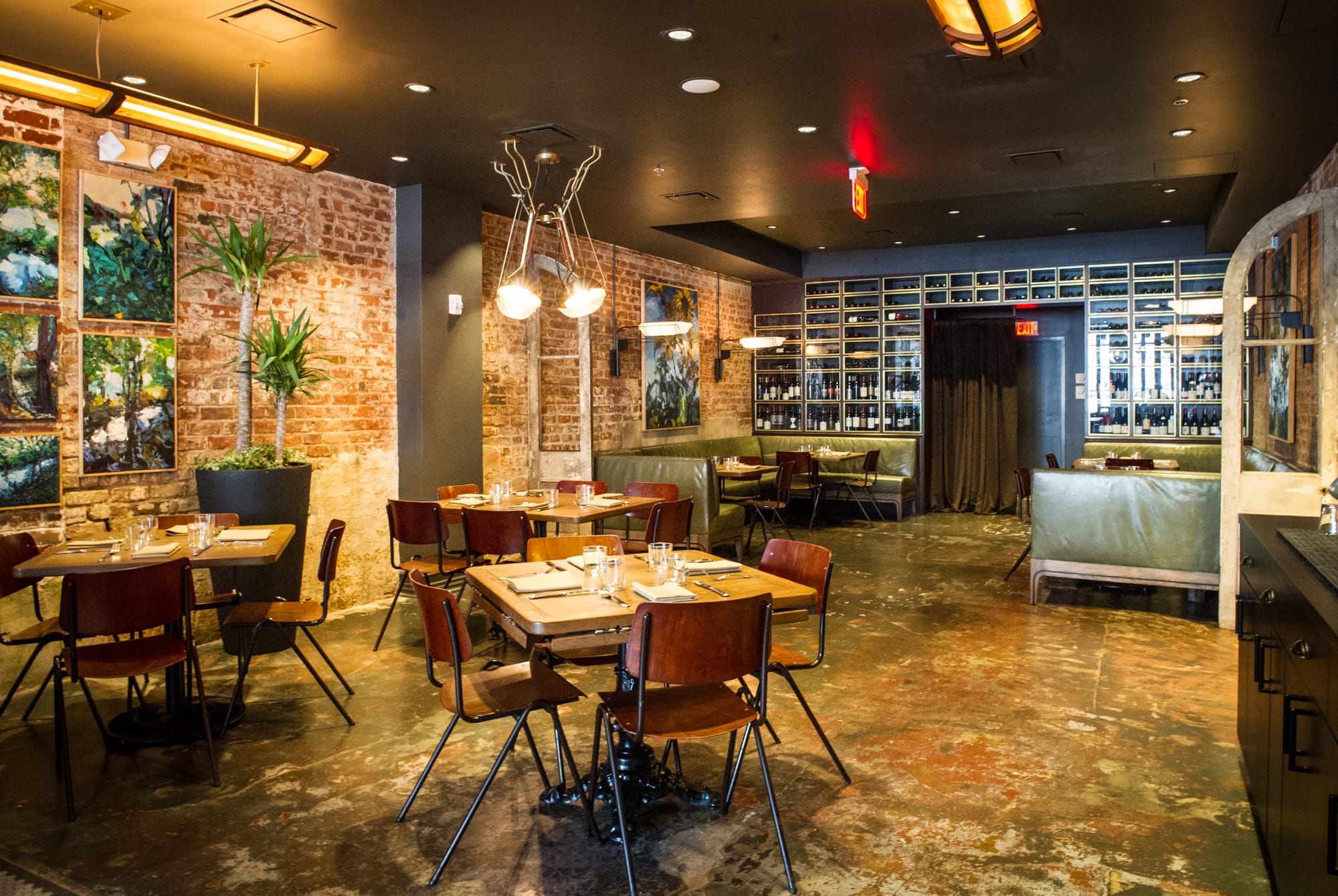
Compère Lapin takes its name from the trickster rabbit of Caribbean and Creole folklore, a figure who survives by outwitting bigger forces. When you opened those doors in 2015, did you feel pressure to make home more palatable for an American fine-dining audience, and were you nervous about how your interpretations would land?
Nina: No, I don’t believe so. It was food that I thought tasted really good and thought that others might think the same thing. When we opened with Curried Goat and Sweet Potato Gnocchi on the menu, it was our number one dish and still is today. That made me realize that my cooking could fit in just fine.
For any entrepreneur, closing a business is never easy. When Bywater American Bistro closed in 2025, after years of building it with chef Levi Raines, what was the lowest point inside that decision, and what helped you move through it? What did you discover about yourself that surprised you in that chapter?
Nina: Raines left after two years; BABs had a wonderful (besides Covid) seven-year run. It was personal in the way that we loved that little restaurant, but we had to make a financial decision. We were able to transfer or help place most of the staff, and then realized that it's kind of lovely to just be actively running Compere Lapin for the time being.
You've reached a level that a young chef in Saint Lucia might look at and think, " She's made it". What do you still struggle with today that success, recognition, and experience haven't made disappear? How do you keep performing at a high level while carrying that?
Nina: Finding people who want to make a career in the kitchen. I think there were too many promotions during the pandemic; I was guilty of it too. Staffing was so short that people were given a title and not the time it can take to learn. We’re still sorting through this.
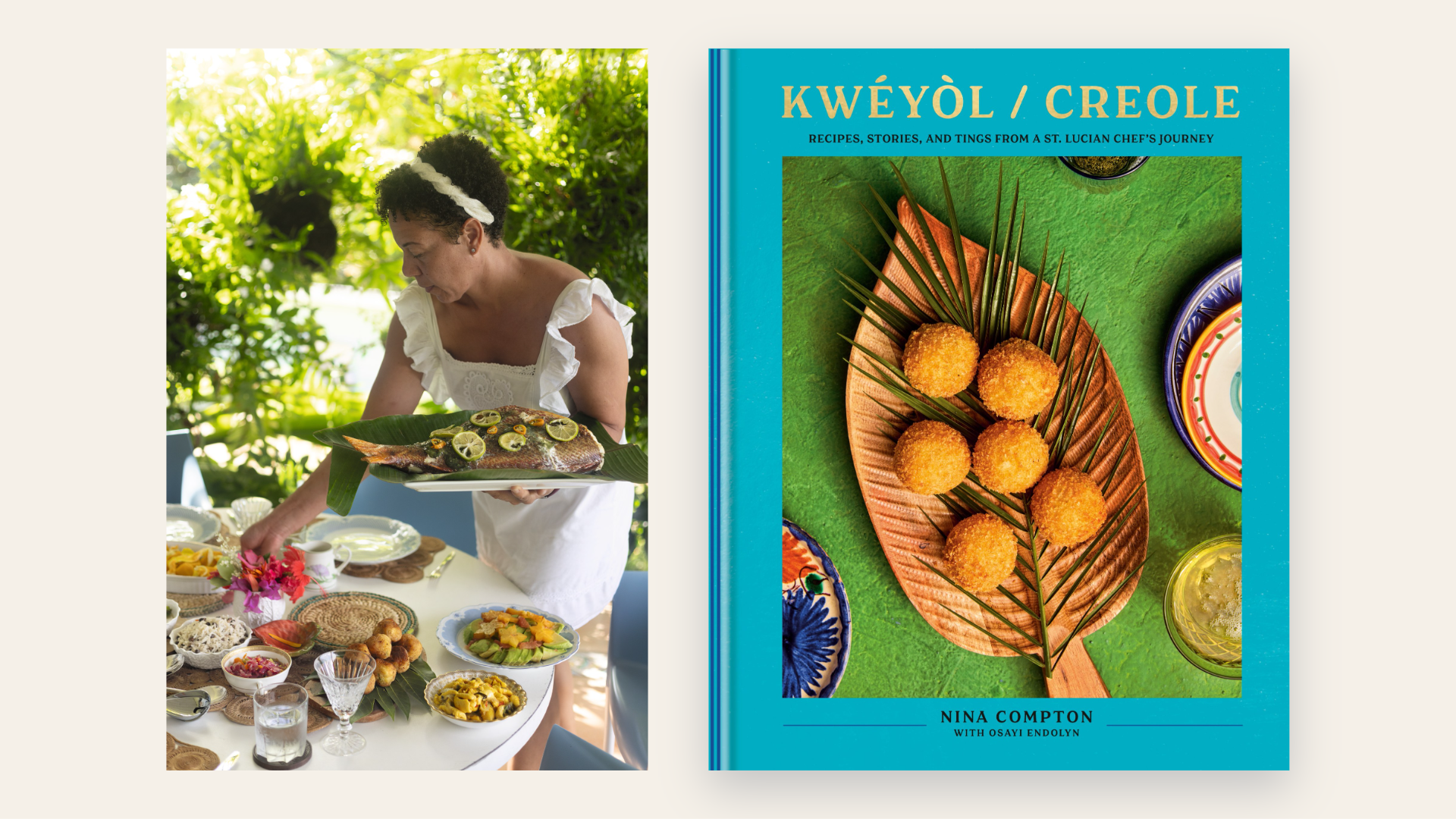
At this stage, what do you believe your kitchen is actually for, and what conversation are you trying to move forward now that you weren't trying to have five years ago?
Nina: Hopefully we continue moving forward, recognizing the combination of hard work and skill no matter the setting. You don’t need tablecloths or a sommelier just to have an amazing meal. And more often I’m seeing that we don’t necessarily need a European chef helming the kitchens of island restaurants; they can be capably run by any number of folks.
Running an acclaimed kitchen leaves little room for stillness. When you're back in Saint Lucia, is there a specific place where you feel real peace, not just a break from work but something closer to freedom?
Nina: The farm in Mahaut is like church. So is Vigie Beach when it's quiet, and no one is out there.
Strip away the awards, the television, the restaurants, the recognition: in a single sentence, what makes Nina Compton irreplaceable?
Nina: Maybe that I want to always keep learning, from Callaloo Soup with my mom to Easter Crawfish Bisque with a friend’s mom; this is what warms my heart.
Curried Goat and Sweet Potato Gnocchi. Saint Lucia and Italy on one plate. No focus group would have suggested it, and it has been Compère Lapin’s most loved dish for over a decade.
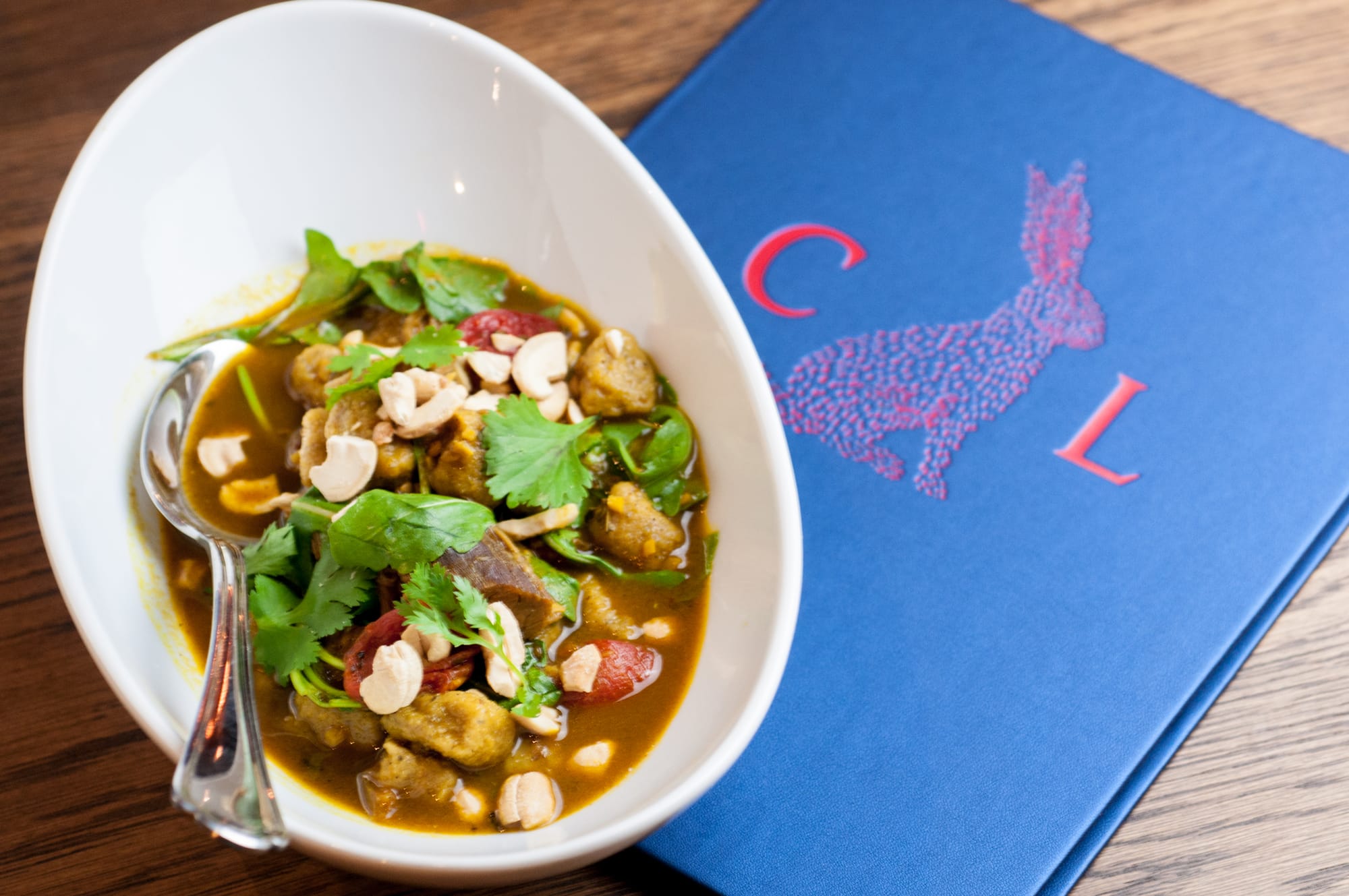
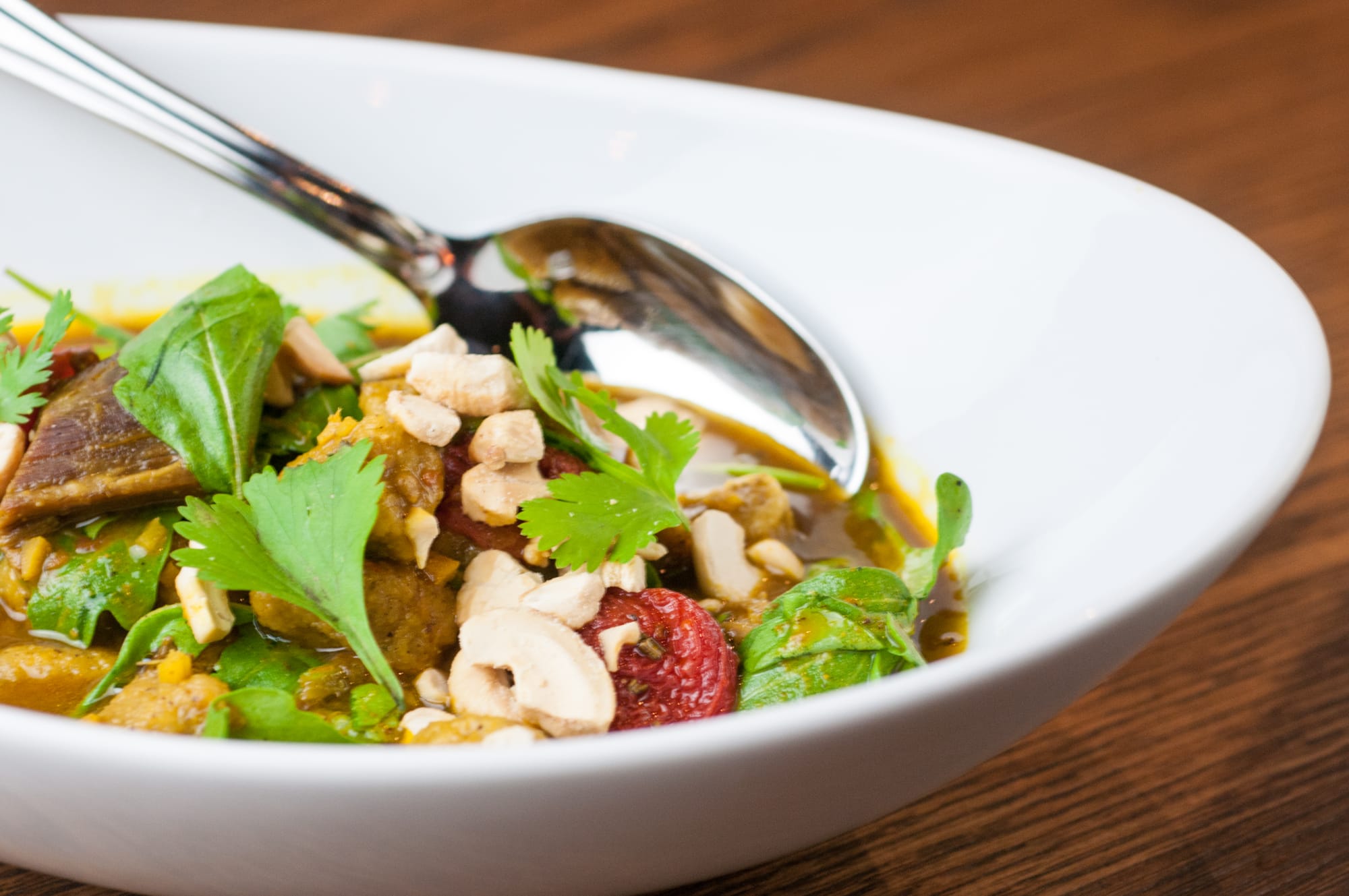
Chef Nina's highly acclaimed curry goat and sweet potato gnocchi. Photo Credit: © Alex Login
That is what a distinct narrative looks like in practice. Not a slogan, but the dish only you would make, built from where you come from and everything you have learned since.
In more than 23 years of working with founders and leaders in over 25 countries, I’ve found most people already have that signature. They have simply been taught to translate it into something more familiar.
Nina shows us that trusting your unique perspective- the twist that comes from your personal experiences, heritage, and what you naturally love and believing that you belong are your strongest assets for success in the world.