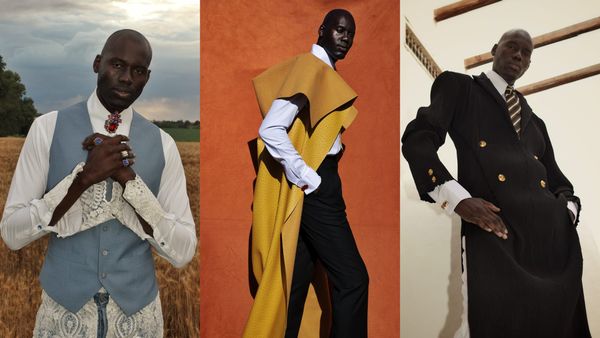
Every Generation has Its Signature. What is Ours?


As the generation of postmodernism, and we inherited a void: the absence of a holistic identity, the kind that gave every generation before us a signature language they could call their own.
Our postmodern world gave us critical intelligence, but it took from us clarity of identity. The technological revolution brought speed but no clear philosophy. The digital age, social media, artificial intelligence: these are not ideologies. They are infrastructure. They are the platform on which we perform, but they offer no script, no worldview, no aesthetic vision that is ours alone.
Postmodernism told us there was no singular truth, that every grand narrative was a fiction, that meaning was constructed and context was everything. It was intellectually rigorous, deliberately subversive, and ultimately corrosive. Pop art elevated the banal. Deconstructivism questioned every wall. The philosophical signature was the refusal of signature, and this, I believe, is where our crisis began.
What passes for our cultural identity is largely a curation. A remix. A recycling of images, aesthetics, and ideas from eras that actually had signatures. We wear 1970s fashion, play vinyl records, shoot on expired film stock and call it aesthetic. We cycle through cottagecore, dark academia, clean girl, coastal grandmother: micro-identities that dissolve as fast as they trend. We are not building a world. We are sampling one.
To understand the gap we are living in, it helps to see where we have come from. We are in transition: moving out of a largely mimetic creative period and toward something that has not yet fully declared itself. Every era that found its own voice first passed through a season of borrowing, referencing, and imitation. Ours is no different. But the path forward requires understanding what a truly coherent cultural identity looks like, and what it has demanded of the people who built it.
When you reflect on history through a philosophical and aesthetic lens, it tells a clear story. Every transformative epoch carried a signature identity: a coherent set of values, aesthetics, and ideas that gave its people a sense of meaning, belonging, and place in the larger story of civilisation.
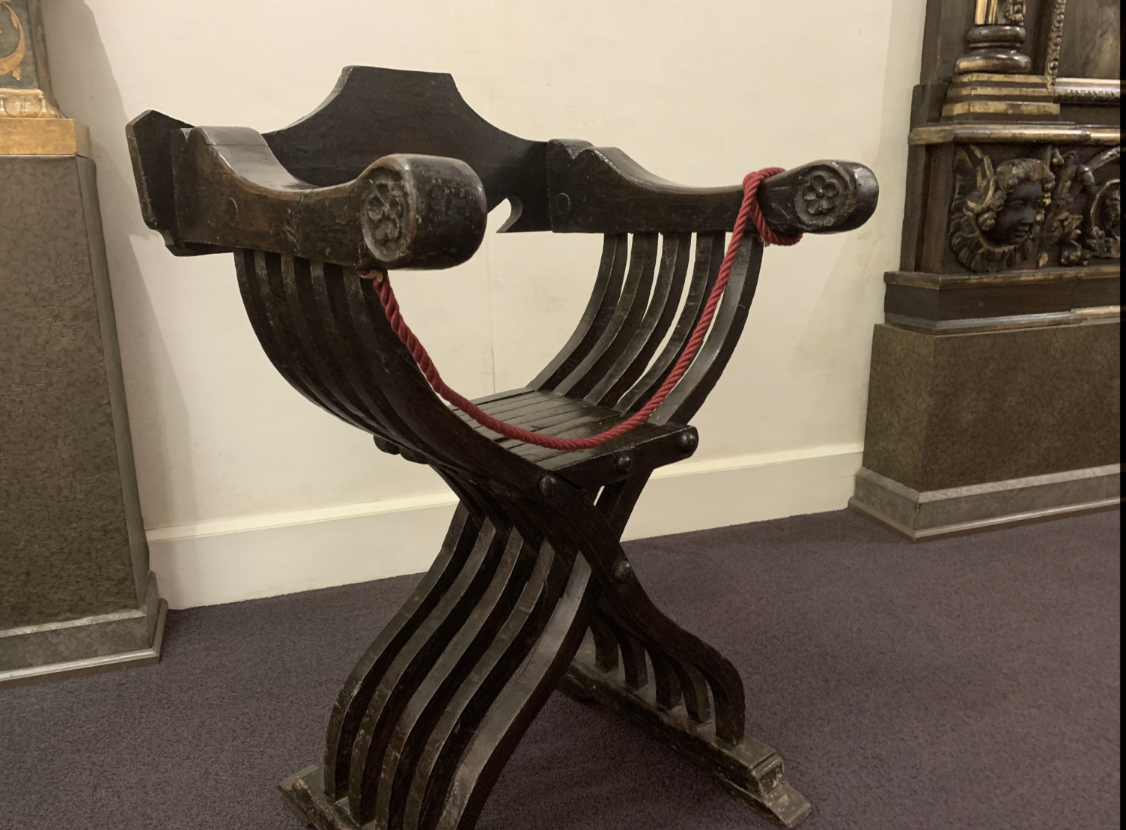
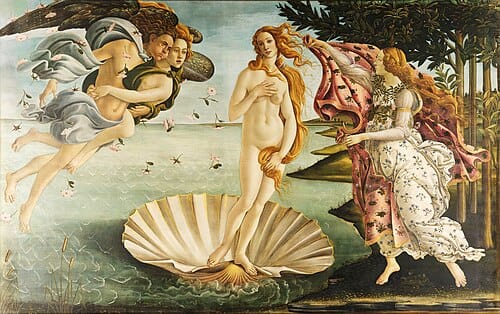
The Renaissance was not merely an art movement. It was a declaration of self. After the spiritual totalitarianism of the medieval world, humanist philosophers like Pico della Mirandola placed the human being at the centre of creation. Beauty became an act of reverence. Art became theology. The visual language, golden proportion, perspective, the idealised human form, was the philosophical argument made visible. To live in the Renaissance was to believe that the examined life, the beautiful life, was the meaningful one.
The Enlightenment was a revolution of reason. Descartes, Voltaire, Locke, Hume: they dismantled divine authority and replaced it with the sovereignty of the thinking mind. The aesthetic followed the philosophy: neoclassical architecture, clean geometric symmetry, rationalist order in design and dress. The philosophical identity was I think, therefore I am and the world looked like it believed that.
The last truly holistic cultural era was the Baroque, a period in which architecture, music, and literature operated as a unified expressive system. When it ended around 1750 with the death of Johann Sebastian Bach, European culture began reaching backwards for something solid to hold onto.
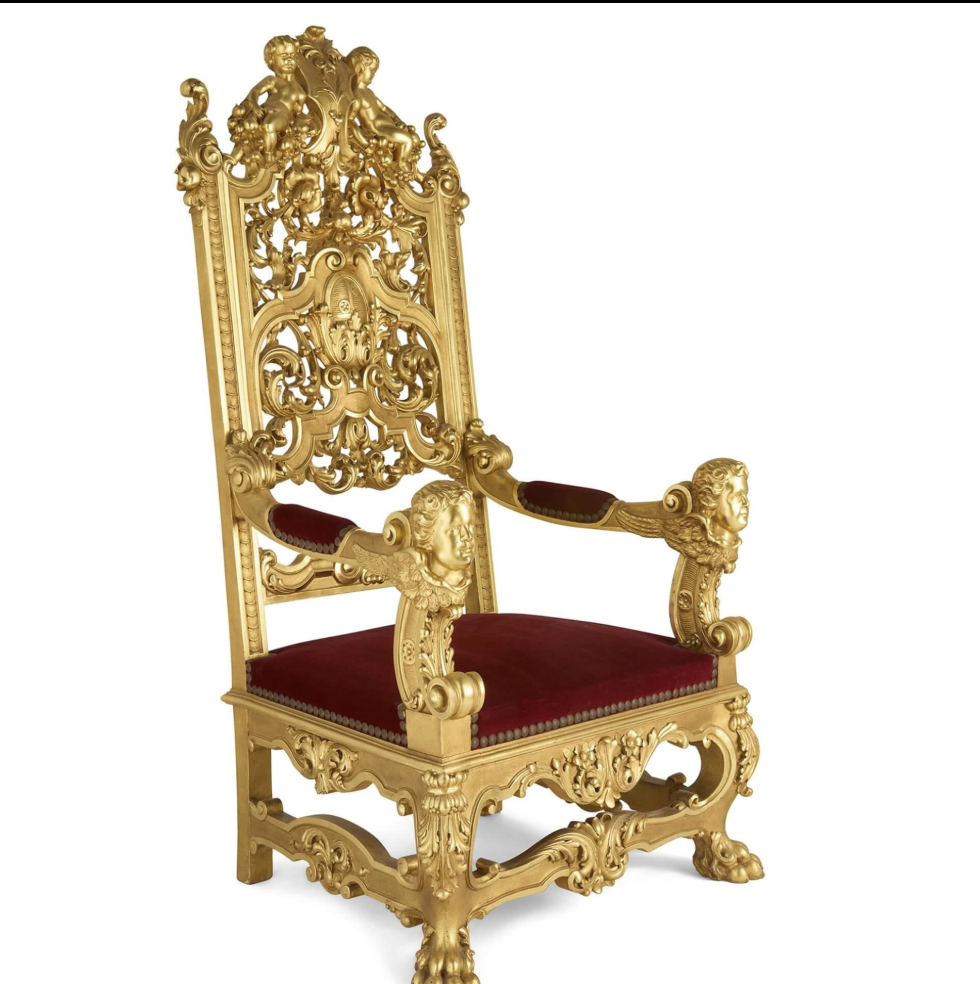
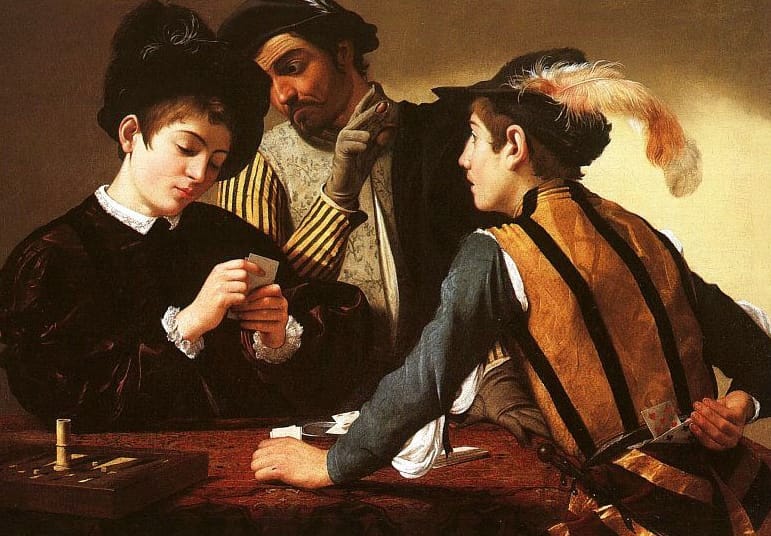
What emerged was Classicism: a revival of ancient Greece and Rome, adopted not simply out of reverence but out of imperial ambition. To invoke Rome was to claim Rome's authority. It was reminiscence dressed as greatness.
Classicism collapsed with Napoleon's defeat. Exhausted by imperial fantasy and the cold rationalism of revolution, European culture turned inward toward emotion, nature, and the individual soul. The Romantic era emerged as a counter-response: not original in form, but newly liberated in feeling. Still working from inherited styles, it gave them new names and a new mood. Neo-Renaissance, neo-Gothic, neo-Baroque. This is eclecticism: replication without a distinct signature.
Then the Industrial Revolution changed everything. The machine made mass production possible, and with it came both standardisation and, paradoxically, a kind of freedom. Art Nouveau arose as a counter-movement to industrial coldness, attempting to restore that Baroque sense of wholeness by fusing art, craft, and everyday life into a single aesthetic system. But it was the First World War that shattered the myth of progress entirely. The same industrialism that had promised speed and abundance had just delivered mass destruction on an unprecedented scale.
Out of that reckoning came the Bauhaus and with it, Modernism. Minimalism. Function over ornament. A truly international style that defined design, architecture, and visual culture from the 1920s through to the 1960s. It was coherent. It was ambitious. It believed in something.
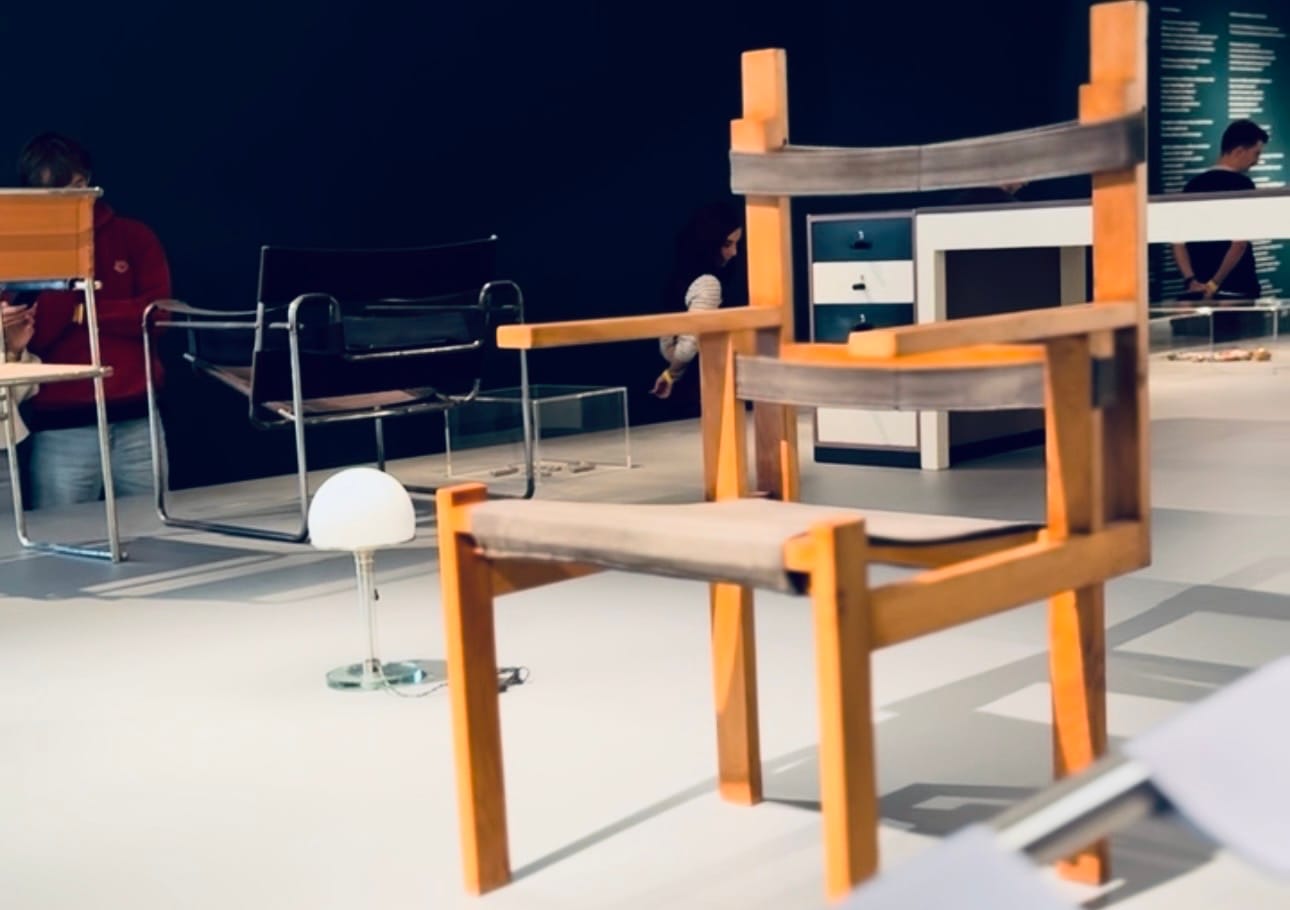
By the mid-1970s, that certainty had begun to feel cold. Modernism's utopia looked increasingly like a machine, efficient, yes, but stripped of warmth and human complexity. Postmodernism emerged in response: playful, self-referential, rejecting the idea that any single style or truth could hold.
It gave artists permission to be different, to subvert, to quote from everything without committing to anything. And in doing so, it left us without a centre.We are the inheritors of that lack of definitive style.
There is no holistic identity currently informing music, art, and fashion simultaneously. The absence is not only cultural; it is personal. It drives us to question everything, to rethink what we believe, to search for meaning in aesthetics precisely because the aesthetics themselves keep dissolving. Ours is an age of extraordinary access and genuine rootlessness. We can reference everything and commit to nothing. We are fluent in every visual language and native to none.
And yet there are signs that we are on the verge. As history has shown, the move to eliminate, subtract occurs as we attempt to redefine and see things differently.
Matthieu Blazy's debut cruise collection for Chanel, including his now-iconic soleless shoe, points toward subtraction that precedes innovation. A shoe stripped of its function becomes pure idea, pure symbol, pure accessory.
It is a provocation of the established ideas we inherited. Asking new questions: what is a shoe, if not for walking? What is fashion, if not for utility? In asking that question visibly, Blazy is doing what all great cultural shifts do in their early stages, extracting and redefining, rather than simply referencing.
We are on the threshold. Not yet in possession of our own holistic signature, but beginning to sense its shape. Before we arrive there, we will continue cycling through this eclectic mix of past and present, trying on identities and releasing them. It looks messy. But it is always awkward before it becomes elegant, and this restless searching is the same passage every great cultural era has moved through before finding its voice.
History is not a line. It is cycles. We are not lost. We are searching, and it is both an inner and outer exploration. What we find, what we build, what we dare to commit to, will become the context through which future generations look back at our art, our music, our philosophy, our expression.
We are writing the signature now. We simply have not recognised it yet. We are the children of postmodernism, and we inherited a holistic identity void offered generations before a signature language that was their own.