Why Airlines Win with Loyalty Programs and Other Industries Fail
The three psychological needs your loyalty card must satisfy to succeed

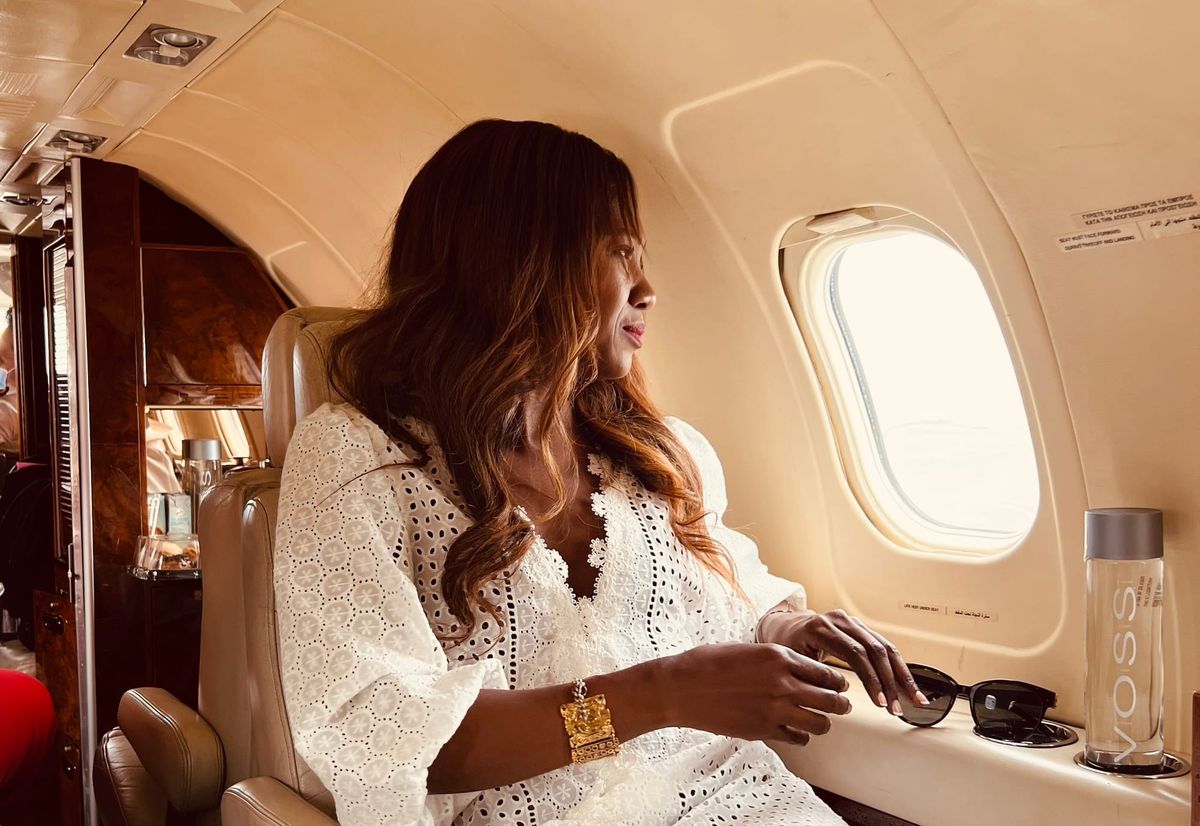
I was booking a flight the other day with my usual airline. When I saw the price, I paused. It felt… higher than expected. So I opened another tab and explored.
I found another carrier, with a slightly lower fare. And something that immediately caught my attention: I could book my maltipoo Chloe-Ella seamlessly as part of the reservation. No back-and-forth. No calling customer service. Just… done.
It was objectively better. And yet—I hesitated. A different airline? What about my miles? I am so close to that next tier. So close. I checked. I still had time to qualify. That subtle window—you’re almost there—pulled me back in.
And just like that, I booked with my usual airline. Not because it was the best option. But because it meant something. And I know I’m not alone.
We do this all the time. We choose the same airline. The same hotel group.
Even when there are better prices. More convenience. Sometimes even a better experience.
So what’s really happening here? It’s not loyalty in the transactional sense. It’s identity. Airlines haven’t just built rewards programs. They’ve built psychological ecosystems.
They understand something most businesses overlook. People don’t stay for points. They stay for progress. Every mile flown isn’t just a number—it’s movement. Closer to something; a new level.
There’s anticipation. There’s status. There’s a private satisfaction in knowing: I’ve arrived somewhere others haven’t yet. And if the Lover archetype lives in your constellation, it goes even deeper.
You don’t half-commit. You choose, and you stay. You build a relationship with the brand. You attach meaning to the experience. It’s no longer a flight. It’s your airline. Now contrast that with most restaurant loyalty programs. “Buy 10, get 1 free.”On paper, it sounds like the same idea. But it doesn’t move you.
Why? Because it operates purely at the level of transaction, not transformation. A free drink doesn’t elevate your status or enhance the narrative of your identity.
It doesn’t signal progress. It doesn’t make you feel closer to becoming anything.
It’s a small reward for repetition—not a system that invites you into a deeper relationship. The difference is subtle, but profound. Airlines reward commitment with timeframes and real high value incentives. Value on satisfies three essential human needs:
Belonging: Tiered status membership places you into an increasingly exclusive circle of frequent travellers. The benefits—priority boarding, expedited security—go beyond convenience. They save you time, but more importantly, they signal where you stand. This segmentation connects you to a distinct class of traveller, reinforcing a sense of identity and belonging.
Outside the airline industry, supermarket loyalty programs work well because at some point, you get to use your loyalty card to shop as you like. However, most supermarkets miss the mark in creating even stronger loyalty by creating tiered status and rewwards and even providing that priority check-out.
There is no elevation. No movement into a more exclusive experience. No signal of identity. You are simply rewarded for repetition, not recognized for commitment and swtich rate becomes higher.
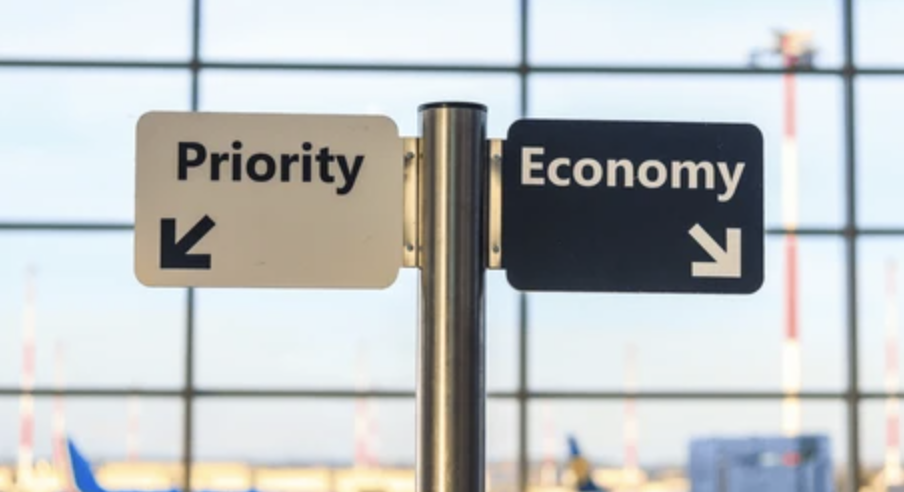
Self-Esteen: Loyalty is acknowledged and rewarded. You are recognized are in a very public way. Priority boarding. Lounge access. Upgrades. Subtle signals that say: you are seen. You matter here. Your consistency has value. This part is what makes airline loyalty program so powerful. Being seen rewarded. The being seen part is important psychologically.
Self-actualization: Over time, it stops being about the perks. Airlines create a sense of forward motion. Every mile moves you closer to something—silver, gold, platinum. There is anticipation, a visible path, a next level to unlock.
It becomes about who you are at a deeper level. Someone who achieves goals and milestones that few achieve in life. Someone who through delayed gratification (not switching) now enjoys great perks that only comes from consistent and disciplined behaviour. This is important because human being needs meaningful goals. More importantly, the goal must take them higher.
Punch card and point card programs operate in cycles, not progression. Giving you something "free" without moving you up the ranks hold no greater meaning and does not add more to your life in a way that will keep you loyal. There is no accumulation of identity, only repetition of behavior.
Without progress, there is no story. And without a story, there is nothing to stay for. The airline is no longer just a service.
It becomes a mirror of your identity.
Here’s the hidden truth most brands miss: Loyalty is not built through discounts. It’s built through devotion.
Devotion comes from:
- A sense of progression
- A feeling of belonging
- A clear signal that this is who you are when you choose us
So when I chose my usual airline, it wasn’t entirely rational. But it wasn’t irrational either. It was hitting something deeply psychological that often we are not conscious to.
The system has mastered this aspect of buyer psychology that understands how to make people feel like they are not only moving toward something but they are also getting something more meaningful things. In my work with clients, call it the mountain top experience.
Most brands' loyalty programs lack this mountain-top experience. They incentivize the next action, but they fail to build the journey. So the real opportunity for brands is not to ask: How do we reward the next purchase? But rather How do we make someone feel like they are moving up and gaining more exclusive experiences that reward they ever increasing consistency and discipline?
What is the status signaling experience you are inviting them to that elevates their self-estateem?
What is that mountain top experience?