Karl Didn’t Design for Personas. He Designed for Human Patterns.

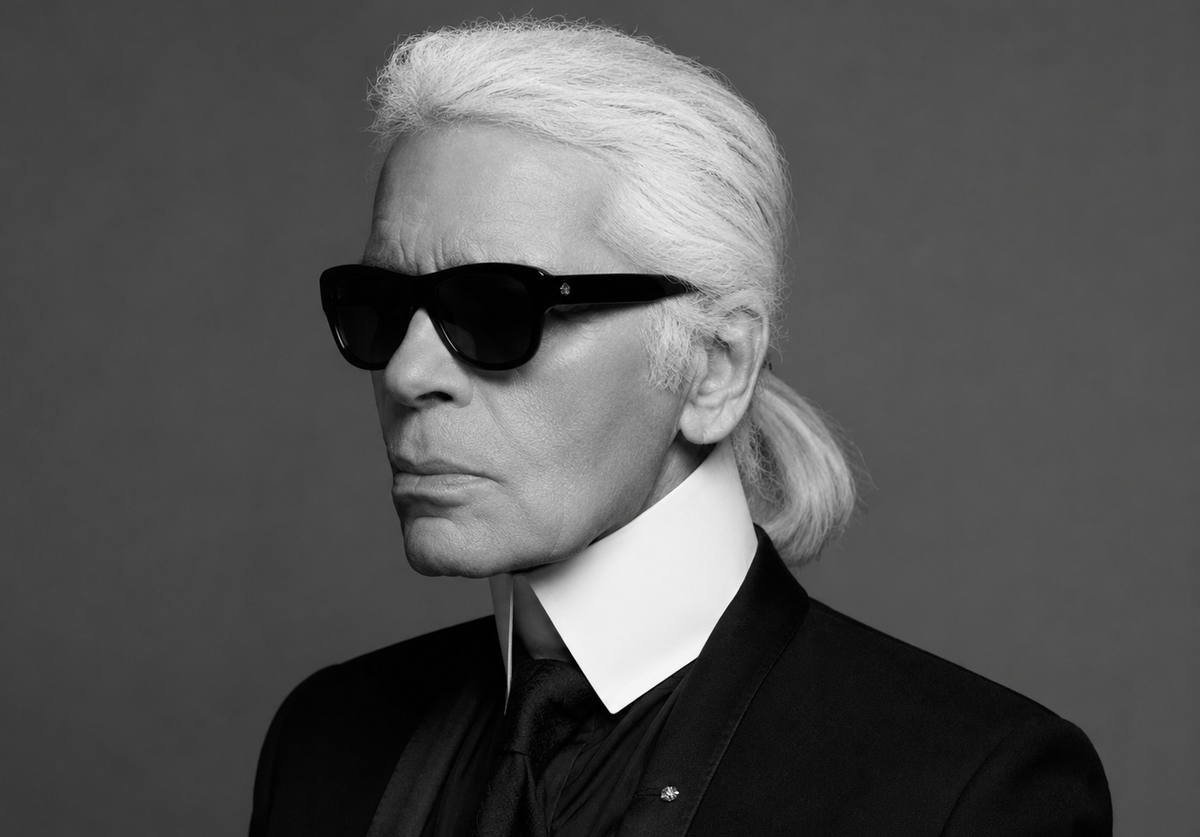
I started watching the Karl Lagerfeld mini series on Disney/Hulu and I began to see something that, I believe, explains why Karl didn’t just have a successful career in fashion… he built one of the most enduring creative legacies of the modern era.
Karl never seemed obsessed with defining the woman. He was obsessed with understanding the moment. And that distinction changes everything.
I think this is where many people misunderstand what made Karl extraordinary. If you study many of his contemporaries—the brilliant designers of the sixties, seventies, and even eighties—many of them built their empires around a very specific woman.
Yves Saint Laurent gave us the intellectual Parisienne. Giorgio Armani defined effortless Italian power. Gianni Versace gave us unapologetic sensuality “The other woman”.
They weren’t simply designing clothes. They were designing identities. And for a time, it worked beautifully. Until culture moved. Because culture always moves.
Women change. Markets change and our desires changes.
When your brand is built too tightly around a fixed image of who your customer is, eventually you wake up and realize… she has evolved, but your message hasn’t.
Karl understood something many creatives—and frankly many entrepreneurs—still struggle to grasp. Identity must be rooted in something deeper than aesthetics. Deeper than demographics.
Deeper than trend forecasts. Deeper even than lifestyle. It must be rooted in human nature. This is why I have always guided my clients to build archetypal personas that can adapt to any season because the world-view is universal.
Karl was born in Hamburg in 1933, but Paris became his true classroom. He arrived young, ambitious, intellectually restless, already obsessed with literature, architecture, history, photography, politics, and culture. Those who worked with him often said he consumed books the way others consumed food.
And I think that mattered. Because Karl didn’t merely observe fashion. He observed civilization. That’s a very different lens. When most designers were trying to create a recognizable signature, Karl was doing something almost rebellious for the time, he was freelancing.
Moving between Chloé, Fendi, later Chanel, and his own label. Different women. Different histories. Different price points. Different cultural energies. And somehow… it all worked.
Why?
Because Karl wasn’t attached to a particular woman. He was attached to understanding what that moment in culture was hungry for. This approach has become more common place today for a lot of designers. This becomes especially clear when he walked into Chanel in 1983.
At that point, Chanel had history, yes. Prestige, absolutely. But if we’re honest… it was beginning to feel like a beautiful museum piece. Respected and admired.
But not necessarily desired by the next generation. Karl didn’t come in and preserve Chanel. He translated Chanel.
He kept the tweed, pearls, chains, camellias. The codes remained but the energy changed. Suddenly Chanel felt younger. Sharper, sexier and bolder. An old Maison felt alive again. He didn’t betray Coco Chanel. He understood her deeply enough to reinterpret her.
That takes confidence. But more importantly… it takes psychological intelligence. And this is precisely why in my work with Brand IT Factor®, I have never been obsessed with building brands around “ideal customer avatars.”
You know the exercise. “Meet Sarah. She’s 42. She shops here. She drives this. She drinks oat milk.”
Useful? Yes it can be but you must root your client definition in something more expansive and timeless. And from my own work of over 23 years and study of the world’s most iconic brands, you can only achieve that by creating your brand identity with archetypes.
Because Sarah changes. At 42 she may crave visibility. At 48 she may crave meaning. At 55 she may crave legacy. If your brand is built around a persona, your relevance often expires when that persona evolves.
Archetypes endure. They are human patterns. And I believe Karl understood this; perhaps not consciously through Jungian language but instinctively through observation.
He wasn’t asking:
“What does the Chanel woman wear?”
He was asking questions rooted in archetypes:
What does power look like now? (Ruler)
What does femininity look like now? (Lover)
What does rebellion look like now? (Rebel)
What does prestige look like now? (Ruler)
That is a very different question.
And it’s the same question leaders, founders, and brands must ask today. Especially now. Because in an age where AI can imitate aesthetics… Where trends can go global overnight… Where a competitor can copy your visuals, your copy, even your offers…
The real moat is no longer style. It’s psychological resonance. It’s understanding what timeless human desire looks like… in modern form.
Karl Lagerfeld’s greatest design was never a handbag. Never a jacket. Never even a runway collection. His greatest design was relevance. Again and again.
Decade after decade. Not because he chased the times. But because he understood human nature deeply enough to meet the times. And that, to me, is the real lesson.
Don’t build for who your customer is. Build for who they are becoming.
![[The New Strategy] Why the Smartest Brands Online Have Stopped Posting](https://storage.ghost.io/c/6e/1f/6e1ff8ff-5aad-444d-8edd-835451f60e7d/content/images/size/w600/2026/05/Hanna-Banner--1--1.png)