Sicily: The Return to Roots & La Dolce Vita

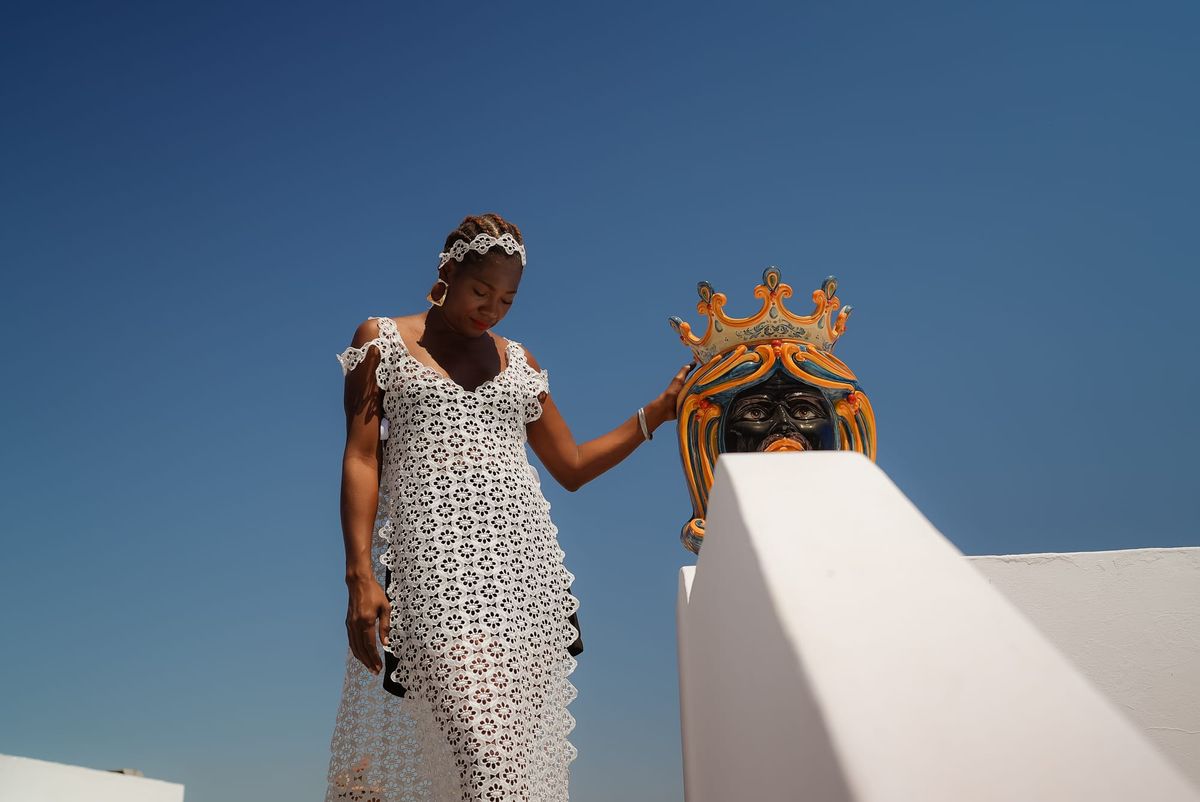
This is my second time in Palermo, Sicily. Nearly three years ago a phone call from the woman I would come to know as Steffen's (my partner) sister led me both to him and the Italian island.
And yet, somehow, this arrival felt different. Less like tourism. More like recognition. At the airport, I met a man from the United States — originally from New York, now living in Michigan — who was on his way to Sicily to retrace his roots.
His great-grandfather had left Sicily for America in the 1890s, and this journey was his attempt to reconnect with the fragments left behind: family still living here, forgotten streets, stories, names, memories.
There was something deeply moving about it. Not simply the act of travel, but the intention behind it. The desire to return. To understand oneself more fully through ancestry, and memory.
And it made me reflect on my own story. A few years ago, I did a 23andMe DNA test. As expected, a significant part of my heritage traces back to West Africa — particularly Nigeria and Europe (UK and France). But there were also smaller traces that surprised me: Sicily and Southeast Asia. Tiny percentages perhaps, but enough to connect me to something deeper. It made me wonder about movement, migration, and the invisible threads that connect us across oceans and centuries.
What if the places we feel drawn to are not random at all? What if travel is sometimes the soul remembering? A part of us that isn't just arriving but returning.
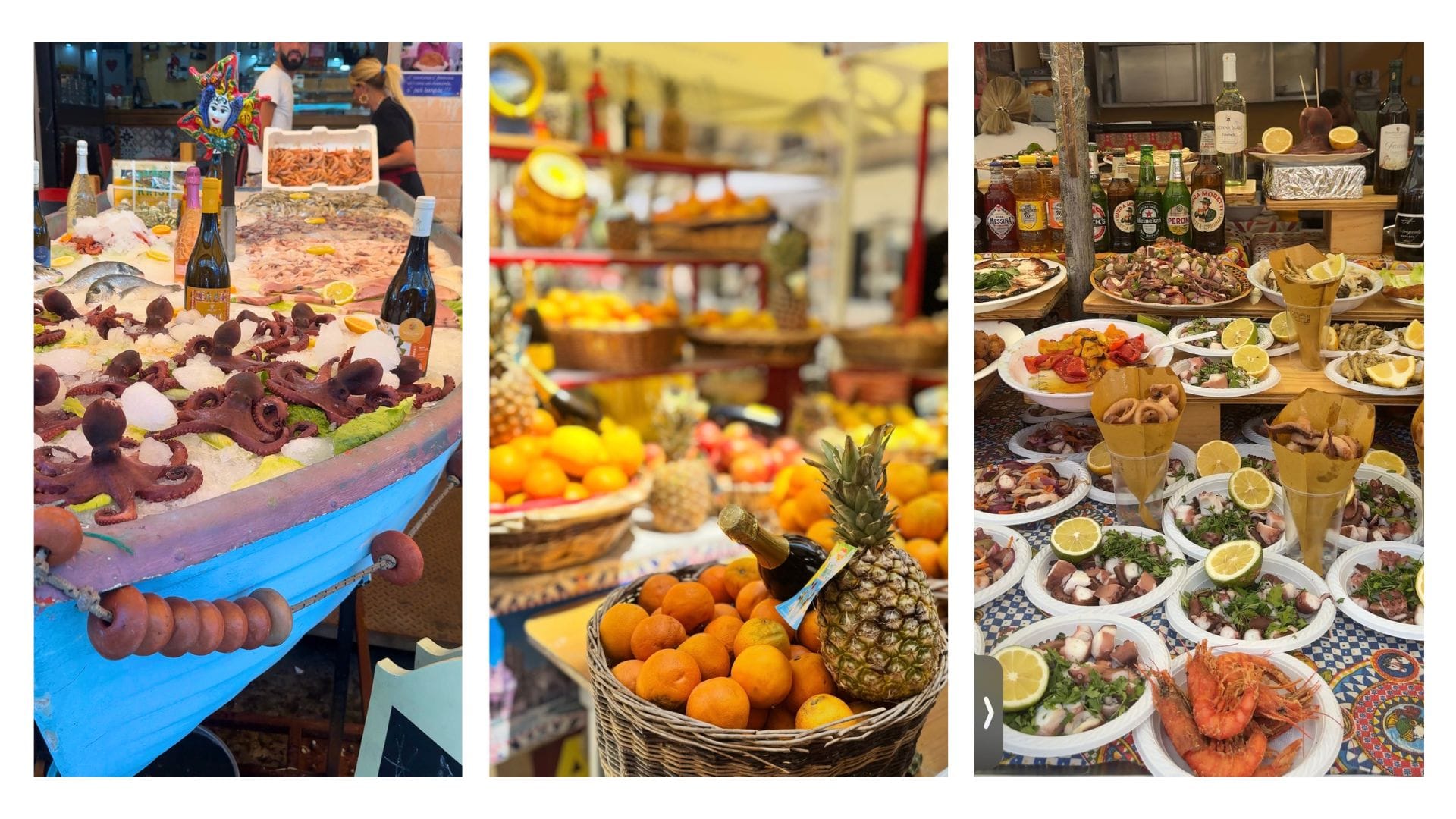
Sicily itself is a place born from centuries of movement. Positioned at the crossroads of the Mediterranean, it has long existed as a meeting point between Africa, Europe, and the Middle East. Phoenicians, Greeks, Romans, Arabs, Normans, Spaniards, Africans — all passed through or settled here, leaving traces in the architecture, language, cuisine, music, and even the DNA of the island itself.
The Arab influence in Sicily, for example, remains profound even today. Citrus groves, almonds, pistachios, intricate mosaics, courtyards, irrigation systems, spices — much of what people romantically associate with Sicilian beauty emerged during centuries of Arab presence on the island. Sicily has never been culturally isolated. It has always been layered.
Standing in Palermo, you feel this immediately. There are moments walking through the markets where the energy feels strangely familiar to someone from the Caribbean. The loudness. The sensuality. The relationship to food. The sun-washed buildings. The improvisation. The emotional expressiveness. The deep emphasis on family. The blending of elegance and chaos.
Even the proximity itself tells a story. Sicily sits closer to Africa than many people consciously realise. Tunisia is only a short distance away across the Mediterranean Sea. Historically, trade, migration, conquest, and exchange between North Africa and Sicily were constant realities — not exceptions.
And when you begin thinking about the Caribbean, you realise our own identities are also deeply shaped by movement.
The Caribbean is a region formed through collision and migration: African ancestry through the transatlantic slave trade, European colonization, Indigenous histories, Indian indentureship, Chinese migration, Middle Eastern migration, and generations of creolization that created entirely new cultural identities.
Perhaps this is why places like Sicily can feel oddly familiar to Caribbean people, even when we cannot intellectually explain it. There is a shared understanding of heat and hospitality.
Of beauty despite hardship.
Of emotional living.
Of history layered into food, architecture, and daily ritual.
And maybe that is part of the deeper seduction of Sicily. La dolce vita here is not simply aesthetic. It is ancestral.
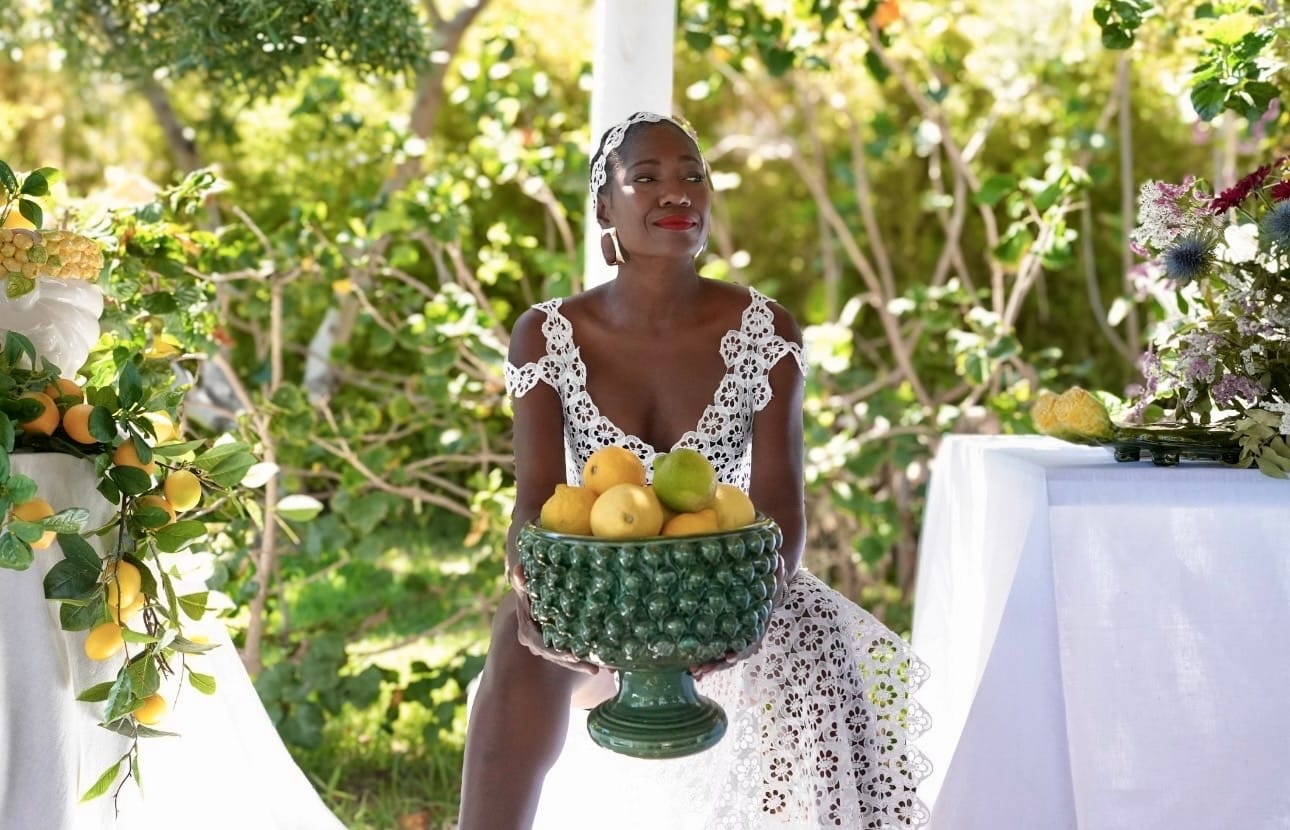
It is found in the long dinners that stretch into midnight conversations. The old men sitting outside cafés watching the world pass by.
The sea existing as both backdrop and lifeline. The reverence for family recipes and inherited rituals. The understanding that life is not something to rush through, but something to experience sensually.
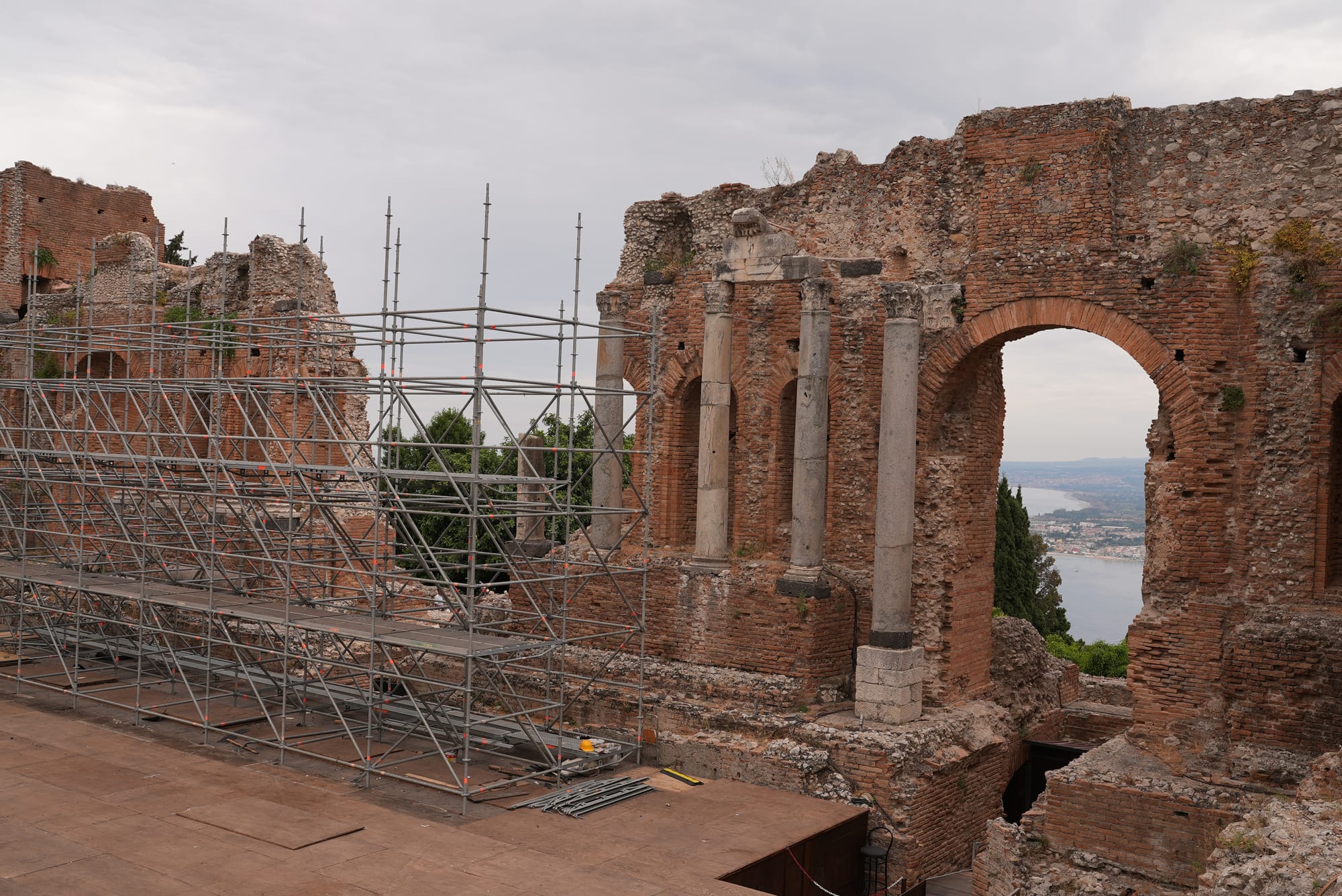
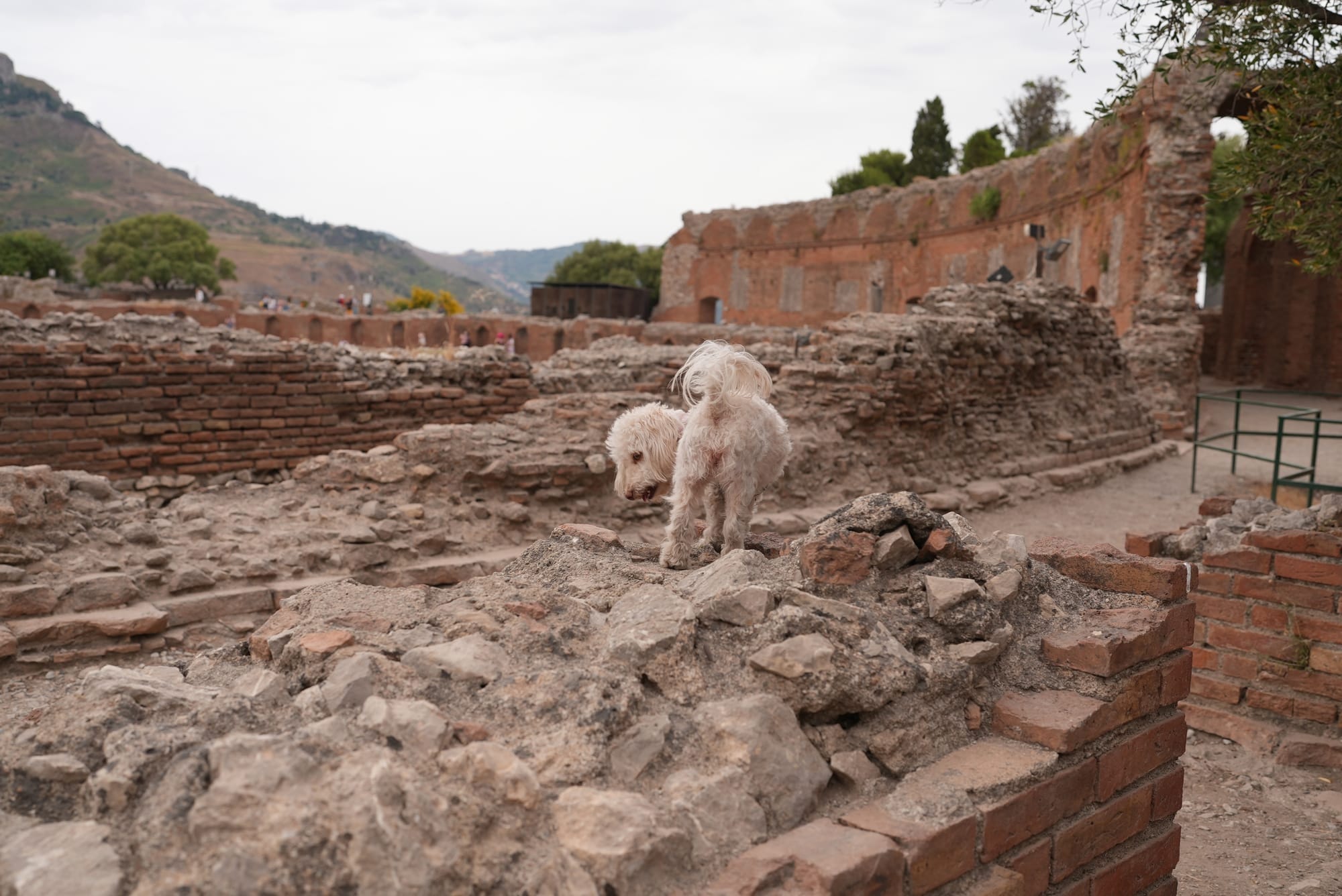
As you step into Taormina's Ancient Theatre (Teatro Antico di Taormina), you are reminded of the many civilizations that battled for beautiful Sicily. First the Phoenicians, then the Greeks, the Romans, the Arabs, the Normans, the Spanish, and in the end the Italians. Inside this theatre, you see feel transported to the conquest days of the Greeks enjoying open theatre style entertainment. Using the backdrop of nature to tell their story.
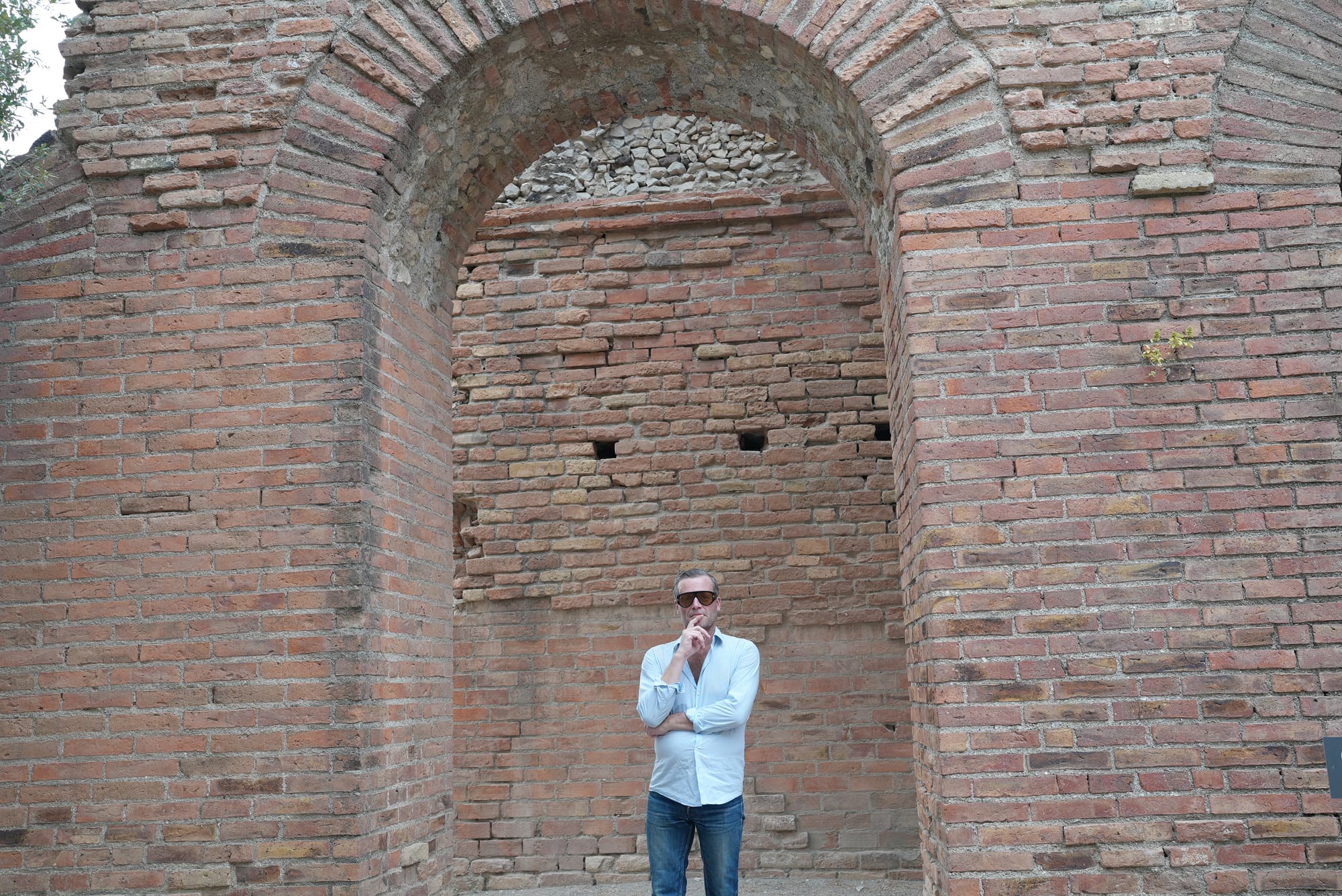
And in the same space you see the marks of the Roman story and their preference for a more closed or framed theatre that allowed for more dramatic storytelling. Each culture built on the other and all living in one space.
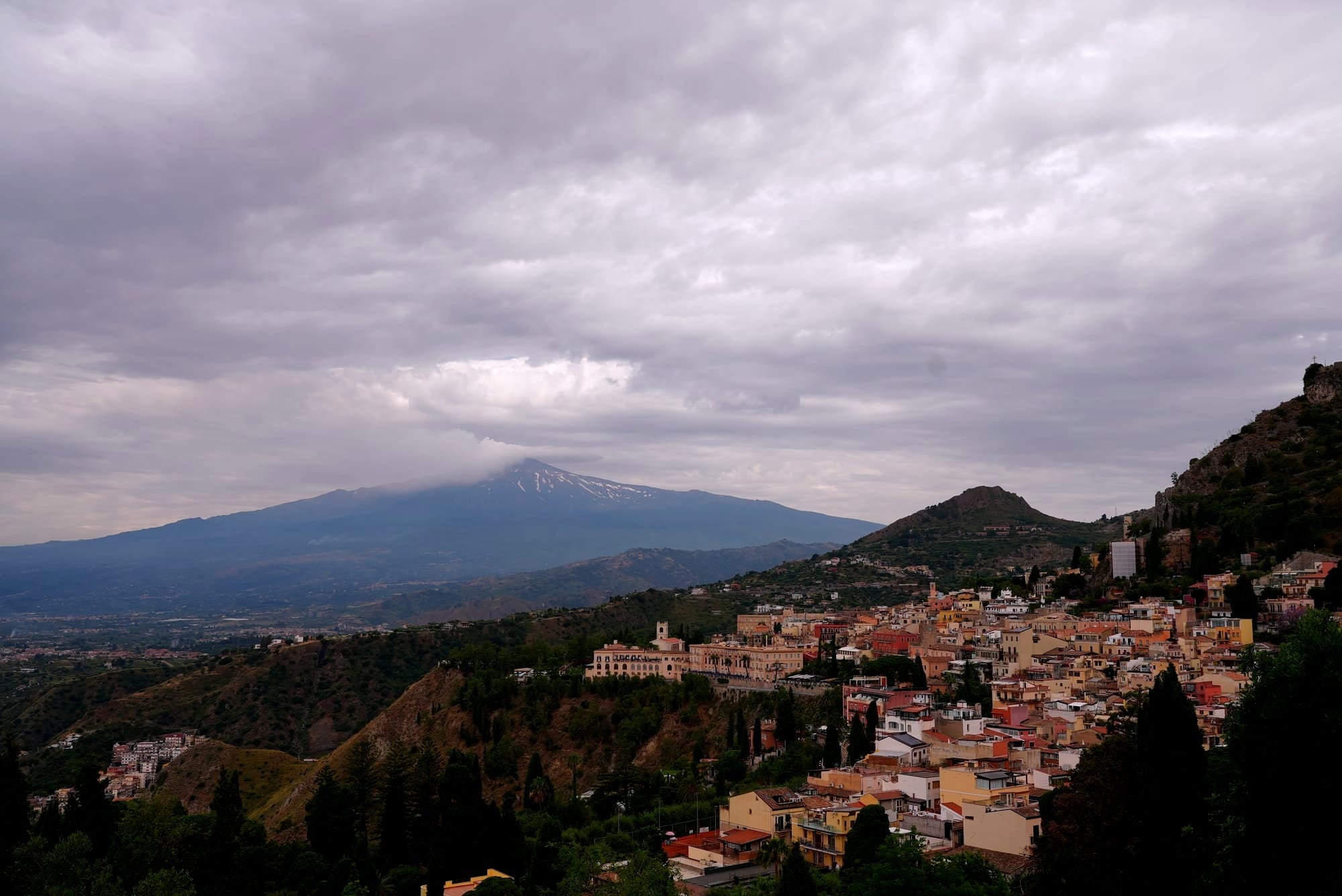
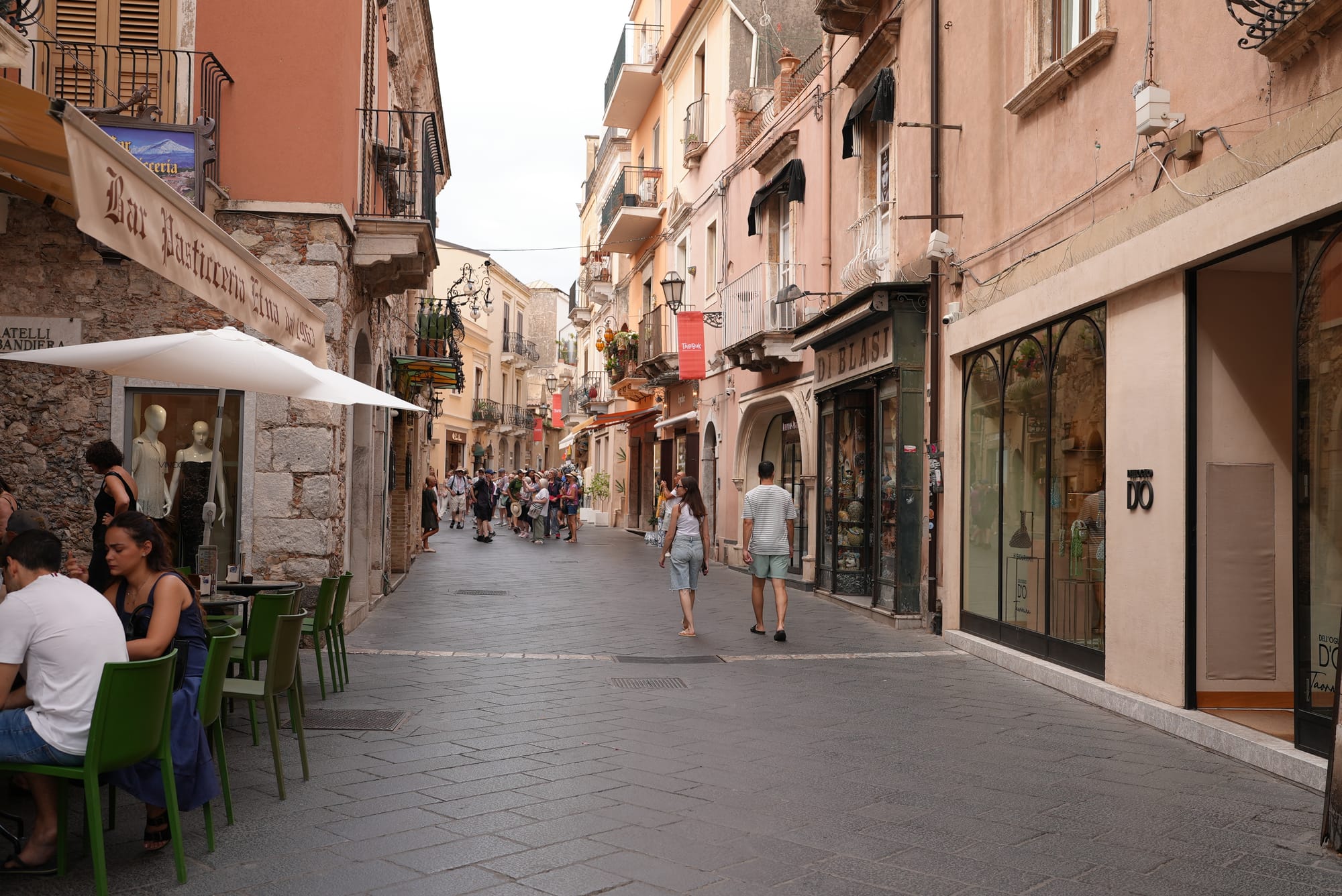
During my time in Sicily, I found myself thinking less about luxury in the traditional sense and more about belonging. About what it means to feel emotionally at home somewhere you technically do not come from.
And perhaps that is because roots are rarely linear.
Human history has always been movement. Borders changed. People migrated. Cultures blended. Ancestors disappeared into other lands and reappeared generations later in entirely different forms.
Maybe identity is not a fixed point. Maybe it is a living conversation between past and present.
This trip to Sicily reminded me that travel can become something much deeper than consumption or escape. Sometimes it becomes remembrance. A search for fragments of yourself hidden in another landscape.
And perhaps that is why certain places call us back more than once.
Not because we are trying to discover them.
But because, somehow, they are helping us discover ourselves.