What Caribbean Women Always Knew About Beautiful Skin


There are some lessons you don't learn from beauty magazines, dermatologists, or social media. You inherit them. Long before "clean beauty" became a billion-dollar industry and minimalist skincare became fashionable, Caribbean women had already perfected an approach to skin that was remarkably simple: nourish, protect, and care for it consistently.
My first skincare expert wasn't an influencer. She was my mother, Laura. As a child, she would prepare a bath with The Pink Shower Flowers for me to soak in. She would also use it at the first sign of any rash or irritation. That felt almost ceremonial.
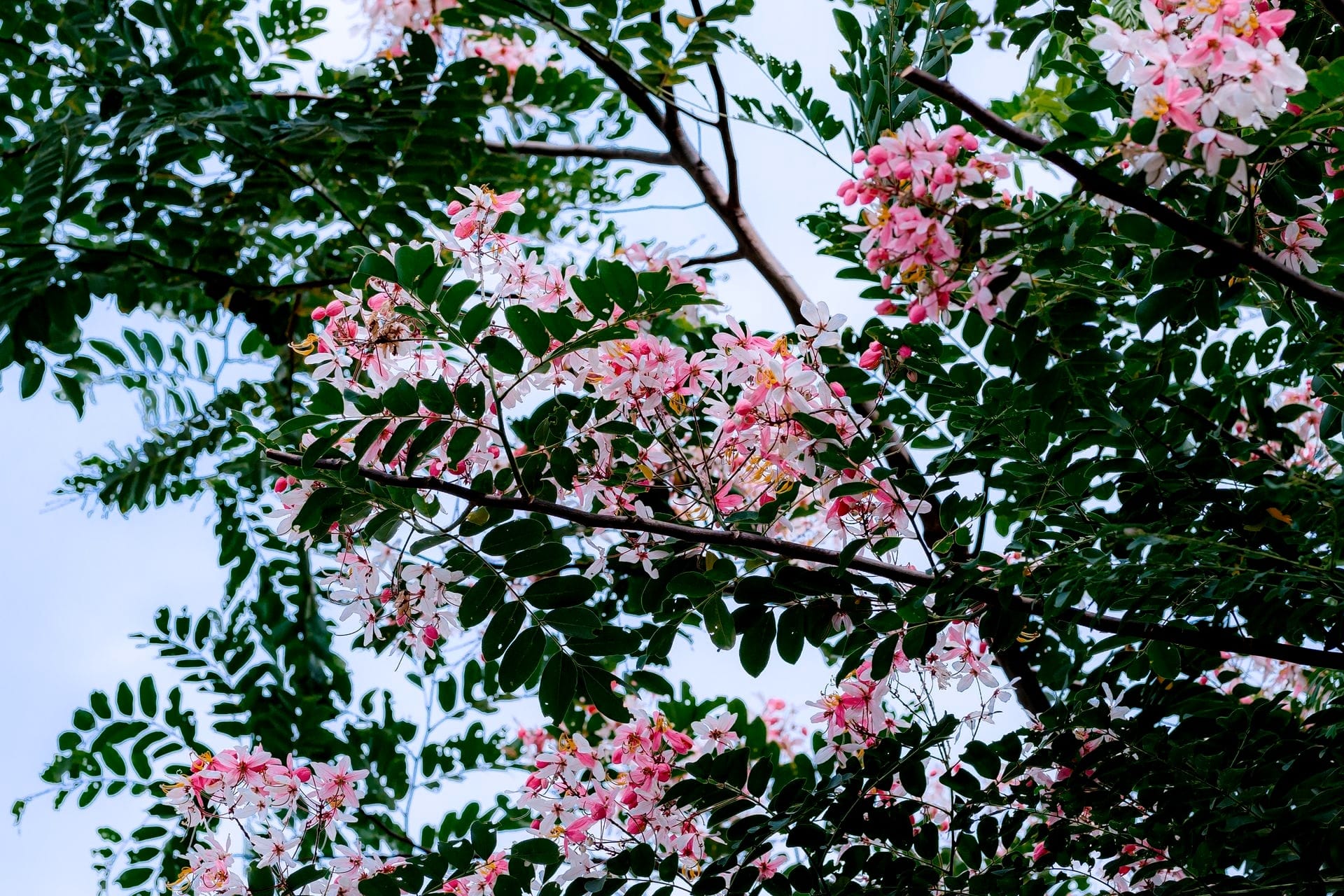
Across parts of the Caribbean and other tropical cultures, bathing babies in the blossoms of the Pink Shower Tree formed part of a long tradition of botanical skincare.
While modern science is still catching up to many of these ancestral practices. Researchers have identified naturally occurring flavonoids and tannins within the tree that exhibit antioxidant, antimicrobial,, and anti-inflammatory properties in laboratory studies.
Whether passed down through observation or experience, these rituals reflected a belief that nature offered a gentle foundation for caring for delicate skin. Only years later did I realise that she wasn't simply washing me. She was introducing me to a philosophy.
My mom's nighttime skin routine was followed religiously. The evening ended with locally produced coconut oil massaged into my skin (from head to toe). I would become so slippery you couldn't catch me if you tried. That oil down ritual would culminate with an obscene dusting of baby powder across my chest; a ritual many Caribbean children of my generation will instantly recognise.
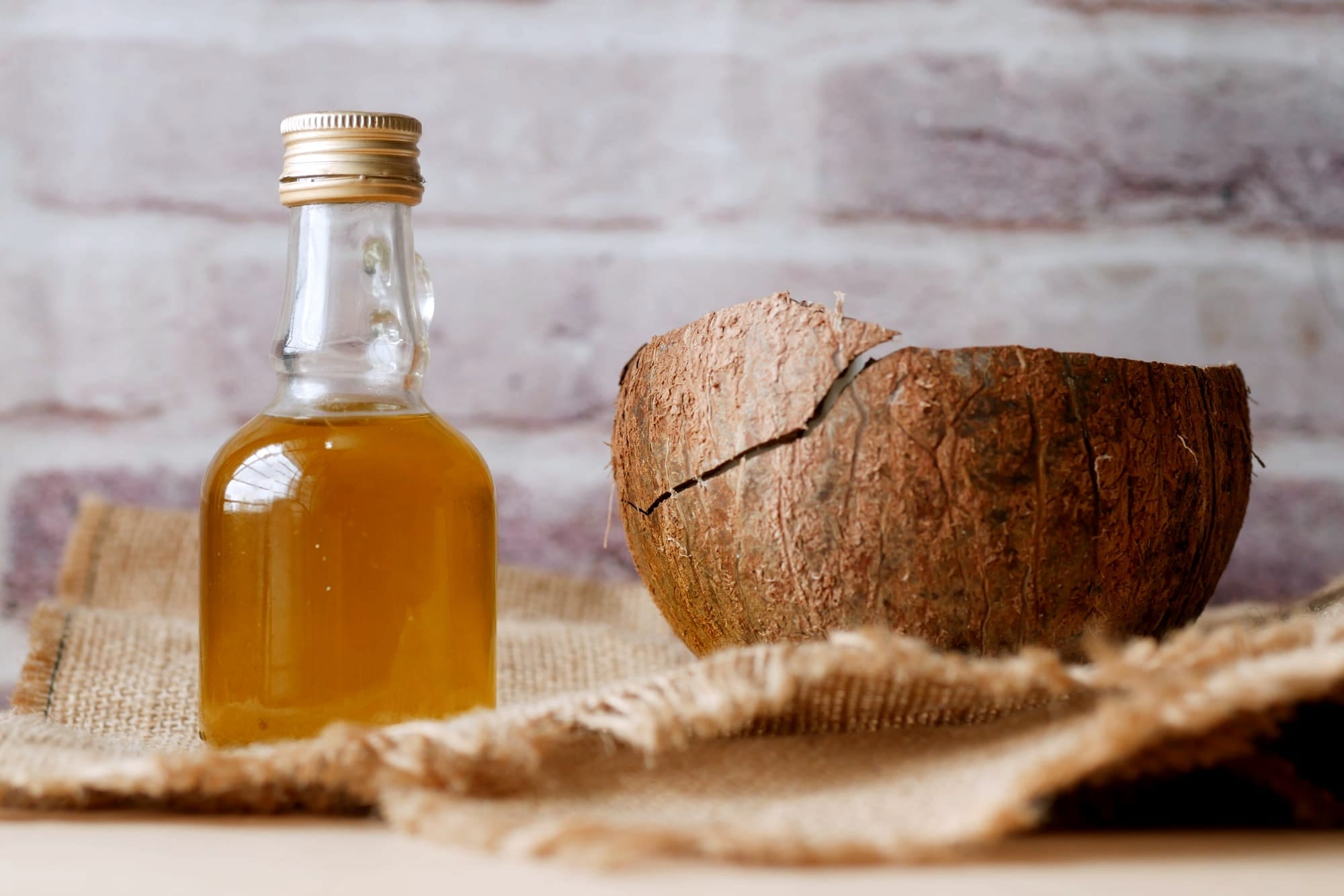
It was simply what mothers did. In our hot tropical climate, it kept us cool, dry, and smelling fresh. Today, recommendations have changed, and we know more about the risks of inhaling talc.
Cocoa butter was a permanent fixture in our home. My mother was obsessed. Any sign of a bruise or cut, post-healing would result in weeks of consistent cocoa butter treatment to minimize and even eliminate visible scars.
There was never any discussion about expensive creams or complicated routines. More youthful and vibrant skin wasn't something you chased after later in life, it was something you nurtured every single day. Looking back, I realise those moments were never really about beauty. It was about care.
Caribbean Beauty Ritual in the Kitchen
One of the most remarkable things about Caribbean beauty traditions is how ordinary they felt. Nobody called it "self-care." Nobody photographed the products or highlighted about elaborate ten-step routines.
Women simply cared for themselves because it was woven into everyday life. Fresh ingredients from the kitchen often found their way into beauty rituals just as naturally as they appeared on the dinner table. Beauty in the Caribbean often began in the kitchen rather than the cosmetics aisle. The wisdom wasn't built around trends, it was part necessity and part ancestral wisdom.
Aloe Vera for Hair and Skincare: Many families use aloe vera directly from the garden to soothe irritated skin, heal sunburns, as an anti-breakage and strengthening hair mask.
Sea moss became known not simply as food but as nourishment believed to support healthy skin from within. Long before it would become trendy, we would be drinking it. A favorite is the Irish moss drink made with sea moss, milk (or condensed milk), spices like cinnamon and nutmeg, vanilla, and sweetener (often believed to be good for the men in the bedroom :).
Turmeric Natural Skin Brightening: appeared in homemade masks long before brightening serums existed. Many women make a face mask mixing a small amount of freshly crushed or powder tumeric with ingredients such as: yogurt, honey, milk or coconut milk.
Papaya Face Mask: Papaya enzymes gently exfoliate for a freshly made face mask. How:
- Mash a few pieces of ripe papaya into a smooth paste.
- Apply to clean skin.
- Leave on for 5–10 minutes.
- Rinse with cool or lukewarm water.
The papain enzyme helps loosen dead skin cells, while the fruit's water content hydrates the skin. You can also add a teaspoon of honey. Always patch test to make sure you are sensitive to it.
Caribbean beauty has traditionally emphasized that beauty begins from within. Papaya is rich in Vitamin C, Beta-carotene (which the body converts to vitamin A), Lycopene, Antioxidants, Water and fiber
So it has long been valued not only as a beauty treatment but also as a nourishing food.
Eliminate Dark Spots with Fresh lime: Limes were used carefully to brighten dark spots—though today's knowledge reminds us never to expose skin treated with citrus directly to sunlight because of the risk of burns.
None of these traditions came packaged in elegant glass bottles. They were simply part of life. And while not every traditional remedy has been scientifically proven, many align remarkably well with what modern dermatology now tells us about hydration, supporting the skin barrier, antioxidant-rich botanicals and gentle exfoliation.
Beauty from Inside Out
Caribbean women understood something long before the wellness industry gave it a name: beautiful skin begins from within.
Growing up, the annual "back-to-school cleanse" was as much a part of our routine as buying new uniforms. Every year, before the new term began, my mother would gently reset my body.
For three to five days, I would drink cucumber or carrot-infused water, eat light, simple meals, and allow my digestive system a chance to rest.
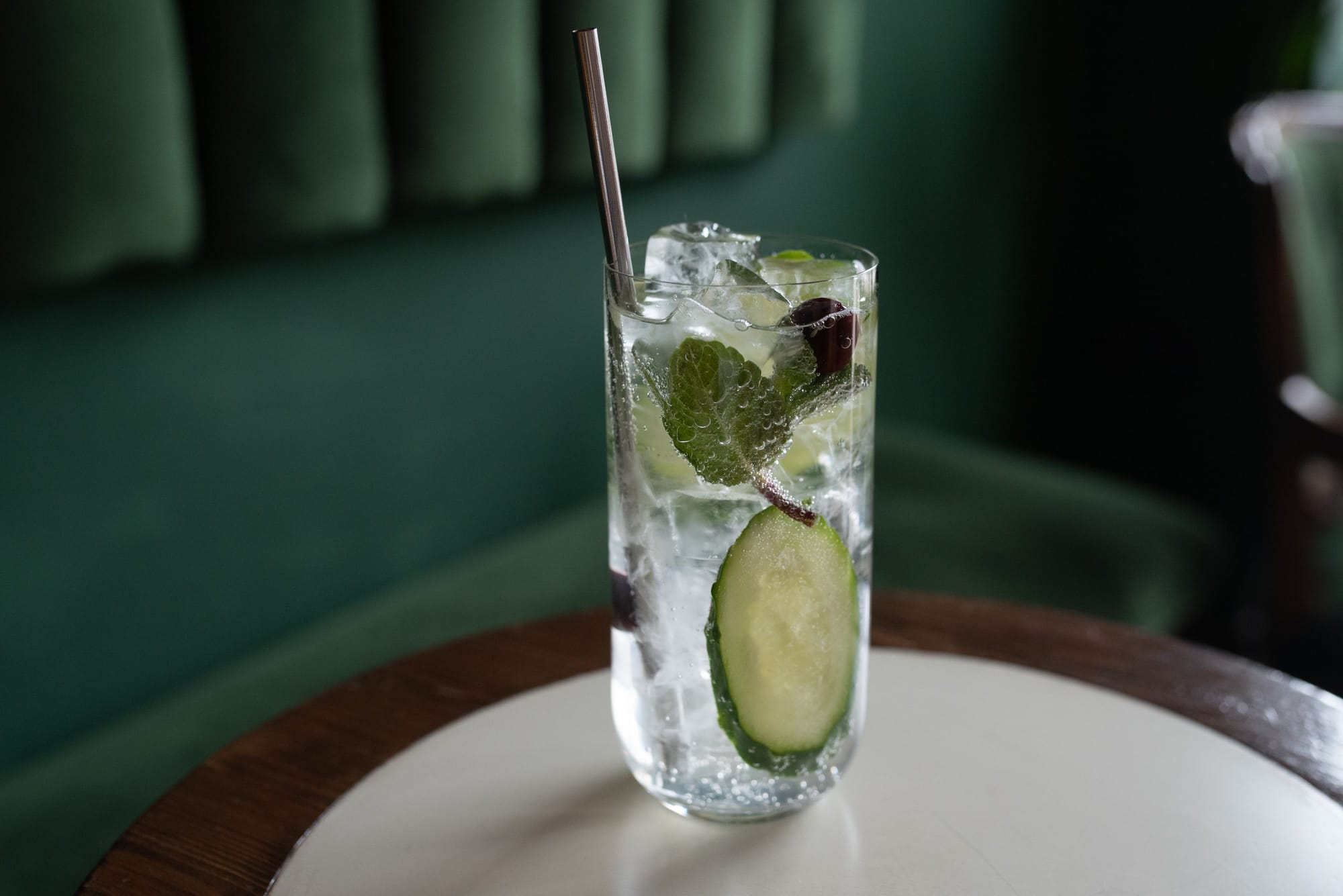
The ritual ended with a deworming treatment—a common public health practice throughout much of the Caribbean at the time, when intestinal parasites were more prevalent because of the tropical environment and everyday exposure.
We weren't just preparing for another school year. We were preparing our bodies to thrive. Looking back, I realise my mother wasn't talking about the microbiome, inflammation, or gut health.
Those weren't words we used then. But she understood, through observation and generations of inherited wisdom, that how we nourished and cared for our bodies would eventually be reflected in our skin, our energy, and our overall wellbeing.
Today, science increasingly recognises the connection between gut health and the skin through what researchers call the gut-skin axis: the intricate relationship between digestive health, inflammation, immunity, and skin function. While our annual cleanse wasn't based on scientific terminology, it reflected a timeless principle: caring for the body from the inside out.
My Skin-Care Routine Today
Today, despite having access to almost every skincare product imaginable, I still return to many of those same rituals. Coconut oil remains my favourite makeup remover.
After years of trying cleansers that promised everything, I've never found anything that removes makeup more gently or leaves my skin feeling healthier with no trace of makeup. On evenings when my skin needs simplicity, it also becomes my facial oil.
My favourite body scrub is still one my mother would instantly recognise: brown sugar, salt, or fine sand from the beach mixed with coconut oil. Occasionally, I'll use olive oil instead, but the principle remains the same. It gently removes dead skin while leaving the skin soft, nourished, and glowing. I do this once every two months.
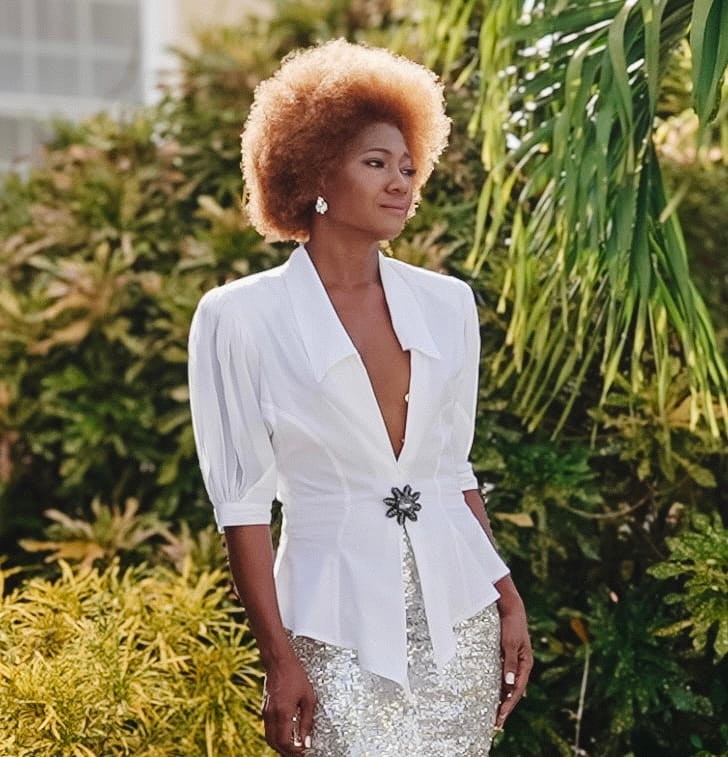
People are often surprised when I tell them I've only had one professional facial as an adult. About two years ago, I convinced myself I should finally do what everyone else seemed to be doing. After the treatment, I looked in the mirror and honestly wondered what all the excitement was about. There was nothing wrong with the facial.
There simply wasn't a dramatic difference from what my own routine had already been giving me for years. That experience reminded me that more isn't always better. Sometimes consistency and simplicity outperform complexity.
The Products I've Added
While I still believe nature built the foundation of my skincare, I do enjoy incorporating a few modern products alongside it.
Lately, I've been using Lunavea, a new start-up brand from Germany. For the last four weeks, I have been using their caffeine serum at night and the hyaluronic serum during the day. The improvement I've noticed hasn't been dramatic in the mirror as much as it has been in how beautifully my makeup now sits on my skin and how fresh and plump my skin looks every day.
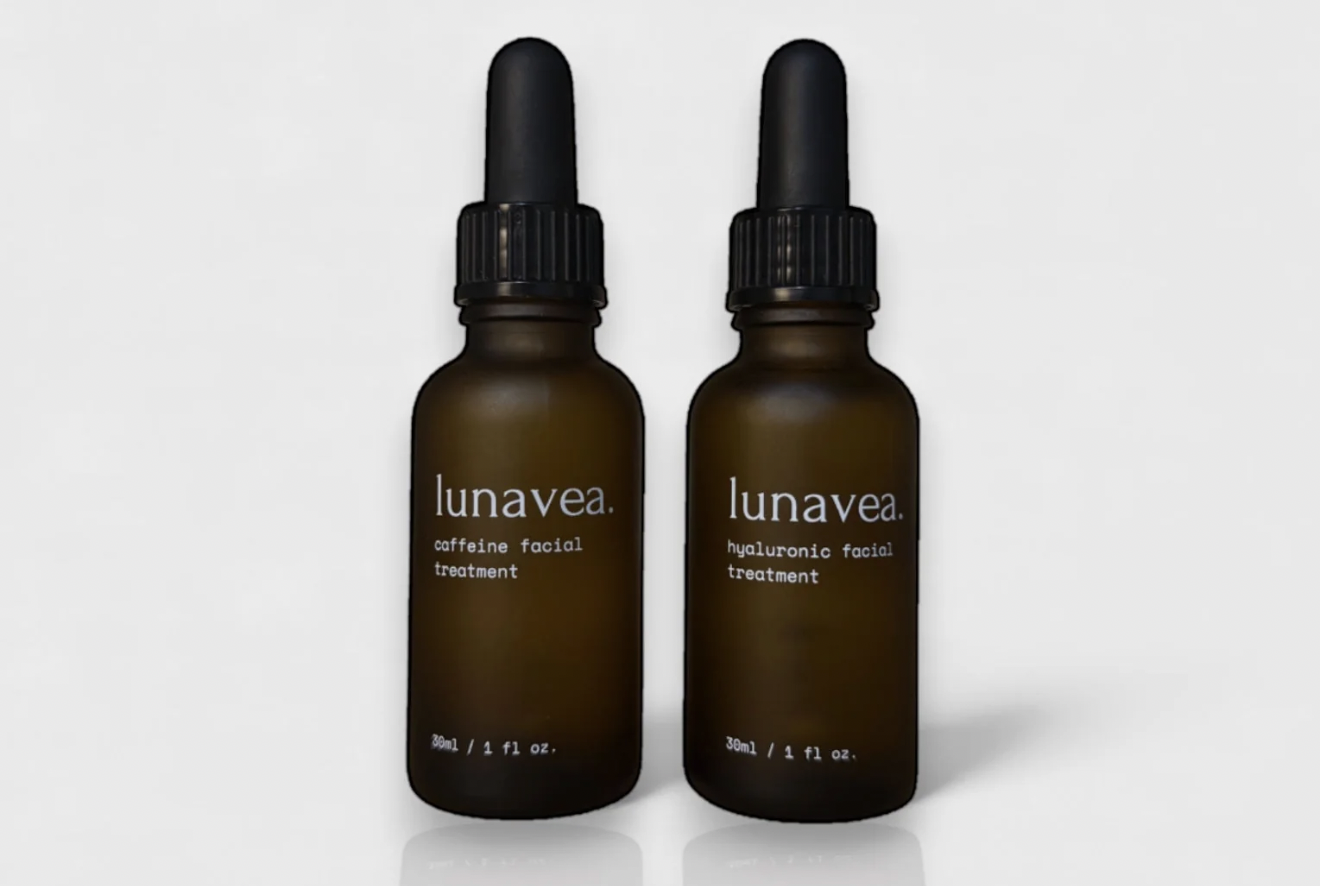
In between I use Chanel Sublimage La Lotion which is incredible. For cleansing, I keep it wonderfully uncomplicated. At the moment, I'm using a Nivea Hyaluronic face wash that I picked up from a German drugstore.
One product that has earned a permanent place on my shelf is the Caudalie facial toner. Of everything I've tried over the years, it's one I return to again and again.
I still use Coconut Oil (local cold-pressed) on my entire body, but I have noticed prolonged use can dry out the skin. So my formula is at least once a week Coconut Oil and for regular moisture, my go-to is La Roche-Posay Lipikar AP+ Max. I have really dry skin, so this is the best I have found so far.
Ultimately, I have continued to use the simple and remarkably effective Caribbean traditions in my routine. At this stage in my early 40s, with zero Botox or any professional facials, I'm loving the results.
Today, the beauty industry offers us extraordinary innovation, and I'm grateful for many of the products available. But whenever my routine starts feeling too complicated, I return home. Back to the Caribbean garden and kitchen. Back to the wisdom of a woman who probably never imagined that the rituals she practised every evening would become the foundation of my skincare decades later.
Modernizing doesn't require replacing tradition. Caribbean women always knew that radiant skin wasn't created by having more products. It starts within and with the simple ingredients in your garden or kitchen.